Mortise locks have been the gold standard for commercial and institutional buildings for over a century, solid, secure, and built into the door itself. Now, smart technology has finally caught up. Mortise smart locks combine that same robust construction with keyless entry, remote access, and integration with home automation systems. They’re not the quick-swap deadbolts most DIYers are familiar with. Installing one often means cutting a large rectangular pocket (the mortise) into the door edge and sometimes modifying the door frame. But for homeowners who prioritize security, durability, and a clean aesthetic, especially those with thick solid-core or metal doors, mortise smart locks are worth the extra effort.
Table of Contents
ToggleKey Takeaways
- Mortise smart locks combine robust commercial-grade security with keyless entry, offering superior durability and resistance to drilling, prying, and kick-in attempts compared to standard deadbolts.
- A mortise smart lock requires cutting a deep rectangular pocket into the door edge and is best suited for solid-core wood doors, metal doors, or existing mortise-ready installations—not for hollow-core doors.
- Choose connectivity based on your needs: Bluetooth offers low power consumption, Wi-Fi enables remote access from anywhere, and Z-Wave provides reliable mesh networking for home automation integration.
- Battery life ranges from 6 to 18 months depending on usage and features, and most mortise locks include a backup mechanical key cylinder and emergency power ports for failsafe access.
- Access logs with timestamps, temporary PIN codes, and user management features make mortise smart locks ideal for rental properties, home offices, and shared workspaces.
- Professional installation is recommended to avoid structural weakening of the door; ensure proper strike plate reinforcement with 3-inch screws anchored to wall framing for maximum security.
What Is a Mortise Smart Lock?
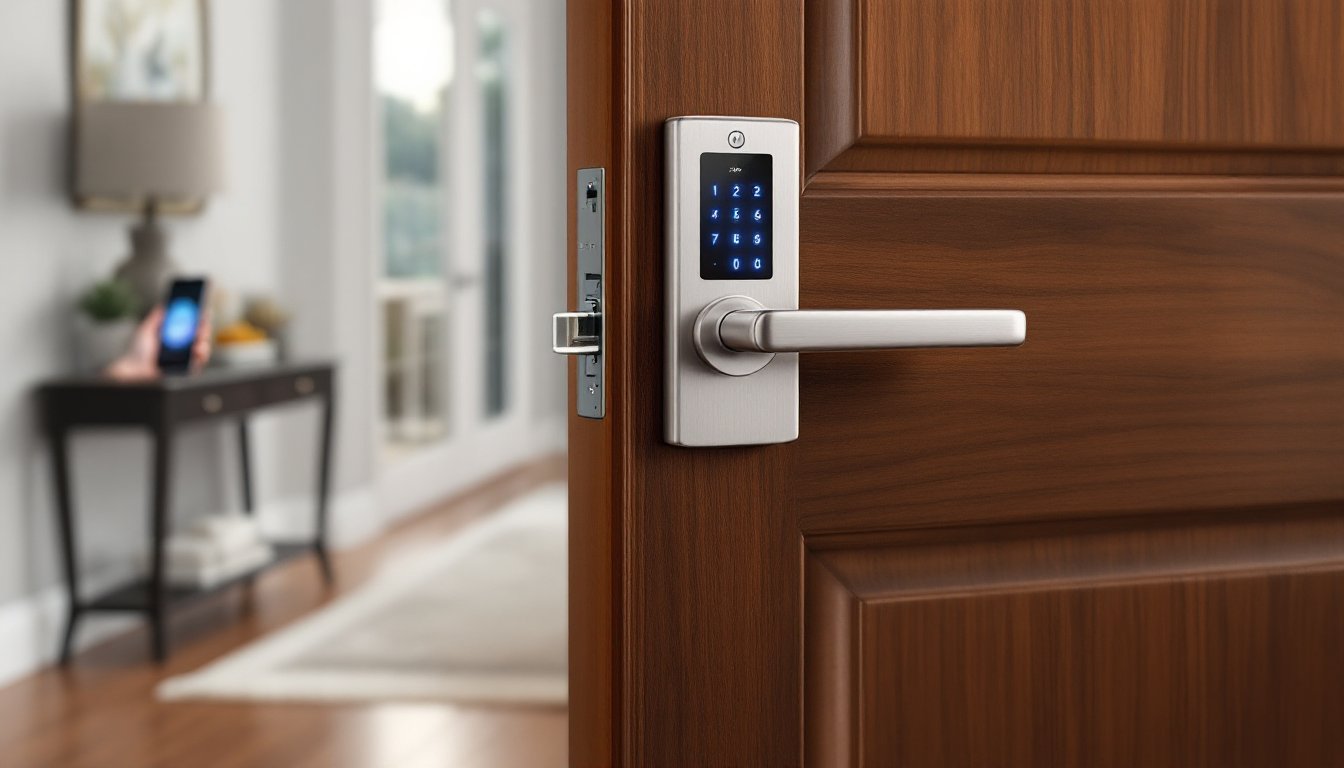
A mortise smart lock is a keyless electronic lock system that installs into a mortise, a rectangular cavity cut into the edge of a door. Unlike surface-mounted deadbolts or cylindrical locksets that only drill through the door face, mortise locks house the entire locking mechanism inside the door itself.
The body of a mortise lock, called the lock body or case, sits flush within the door edge. It typically includes a latch bolt (which retracts when the handle turns) and a deadbolt (which extends and locks when activated). On the door face, users see a keypad, touchscreen, fingerprint reader, or card reader, depending on the model, plus a handle or lever.
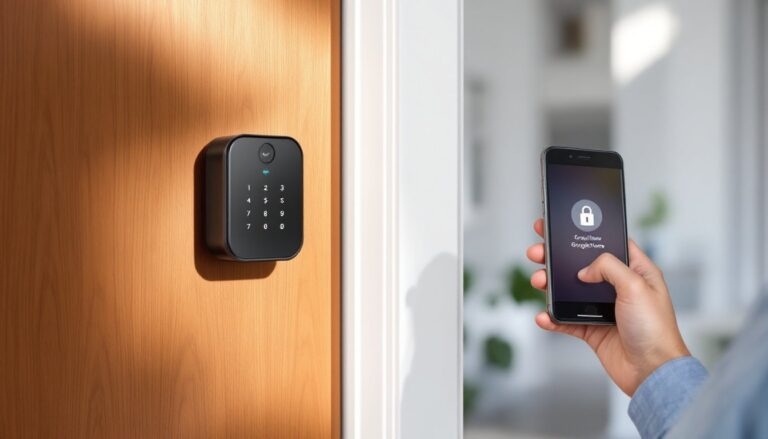
Mortise smart locks have been standard in hotels, office buildings, and high-security residential applications for years. The smart versions add Bluetooth, Wi-Fi, or Z-Wave connectivity, letting users unlock doors with a smartphone app, PIN code, biometric scan, or RFID credential. Many integrate with platforms like Google Home, Amazon Alexa, or Apple HomeKit.
Because they’re recessed into the door, mortise locks don’t add bulk to either side. This makes them ideal for narrow stile doors, aluminum storefront doors, or any situation where a protruding lock body would interfere with door operation or aesthetics.
How Mortise Smart Locks Work
Mortise smart locks use an electric motor or solenoid to control the deadbolt and latch. When a valid credential is presented, PIN, fingerprint, smartphone signal, or key card, the lock’s onboard processor verifies it, then triggers the motor to retract or extend the bolt.
Most models operate on AA or lithium batteries housed inside the lock body or in a separate battery compartment on the interior side. Battery life ranges from 6 to 18 months depending on usage, connectivity type, and whether the lock includes power-hungry features like a backlit touchscreen.
Connectivity varies:
- Bluetooth: Short-range, low power. The user’s phone must be within roughly 30 feet. No hub required, but also no remote access unless paired with a bridge.
- Wi-Fi: Direct internet connection. Allows remote lock/unlock from anywhere, real-time alerts, and over-the-air firmware updates. Higher battery drain.
- Z-Wave or Zigbee: Requires a compatible smart home hub (like Samsung SmartThings or Hubitat). Low power, reliable mesh networking, good for whole-home automation.
Many mortise smart locks include a backup mechanical key cylinder hidden under a cover plate or escutcheon, ensuring entry even if batteries die or electronics fail. Some also offer emergency power ports, usually micro-USB or 9V terminals, on the exterior for jump-starting a dead lock.
Access logs, temporary codes, and user management are handled through a companion app. Higher-end models support auto-lock (door locks itself after a set time), passage mode (latch retracts freely without unlocking), and scheduled access for contractors or guests.
Key Benefits of Installing a Mortise Smart Lock
Durability and Security
Mortise locks are inherently stronger than cylindrical locksets. The lock body spans several inches of the door edge and engages a deeper, more secure strike plate in the frame. The bolts are typically hardened steel, and the housing resists drilling, prying, and kick-in attempts better than surface-mount deadbolts. For solid-core wood, metal, or composite doors, this makes mortise smart locks a top-tier choice.
Keyless Convenience
No more fumbling for keys in the dark or leaving spares under the doormat. PIN codes and biometric entry let family members, cleaners, or contractors access the home without physical keys. Temporary codes can be issued and revoked instantly, ideal for Airbnb hosts or homeowners who employ regular service providers.
Clean Aesthetic
Because the lock body is recessed, the exterior profile is minimal. Many mortise smart locks feature slim escutcheons and lever handles that blend with modern or commercial architecture. There’s no bulky deadbolt thumb-turn protruding from the interior side.
Integration with Smart Home Systems
Mortise smart locks can trigger routines: unlock the door and the lights turn on, thermostat adjusts, security system disarms. They also provide real-time alerts if someone enters while the homeowner is away or if the door is left unlocked.
Audit Trails
Most models log every unlock event with a time stamp and user ID. This is invaluable for rental properties, home offices, or families who want to know when kids arrive home from school.
Mortise Smart Lock vs. Cylindrical Smart Lock: Which Is Right for You?
Cylindrical (or tubular) smart locks are what most people picture: a deadbolt or knob lockset that mounts through two holes drilled in the door face. They’re easier to install, usually a straight retrofit of an existing deadbolt, and they work on almost any residential door.
Mortise smart locks require cutting a deep pocket in the door edge. Installation is more invasive and often not suitable for hollow-core doors (which lack the thickness and structure to house a mortise body). They’re best for:
- Solid-core wood doors (1¾” thick or more)
- Metal doors common in commercial or high-security residential settings
- Doors that already have a mortise lock and just need an upgrade
- New construction or major remodels where door prep can be done before hanging
Cylindrical locks are the go-to for:
- Hollow-core interior doors or thin exterior doors
- Quick retrofits without modifying door structure
- DIYers without access to a router, chisel set, and mortising jig
In terms of security, mortise locks generally outperform cylindrical locks due to deeper bolt throw, larger strike engagement, and reinforced lock bodies. But a high-quality cylindrical deadbolt with a 1″ throw and hardened bolt can still offer excellent protection for most residential applications.
If the door is already prepped for a mortise lock, common in older homes, condos, or buildings originally fitted with commercial-grade hardware, upgrading to a smart mortise lock is often simpler than re-drilling for a cylindrical lockset.
Top Features to Look for When Choosing a Mortise Smart Lock
Lock Body Dimensions and ANSI/BHMA Grade
Mortise lock bodies aren’t universal. Measure the existing mortise pocket (length, width, depth) and backset (distance from door edge to center of the handle spindle). Common backsets are 2¾” (70mm) or 2⅜” (60mm). If replacing an old mortise lock, matching dimensions avoids re-cutting the door.
Look for locks rated ANSI/BHMA Grade 1 (commercial/high security) or Grade 2 (heavy residential). Grade 1 locks withstand higher cycle counts and forced-entry tests.
Access Methods
Decide what credentials matter. PIN keypads are reliable and easy for all ages. Fingerprint readers add speed but may struggle with wet or worn fingertips. Smartphone unlock via Bluetooth or Wi-Fi is convenient but requires the user to carry and charge a phone. RFID cards or fobs work well in rental or office settings.
Connectivity and Integrations
If remote access and automation are priorities, choose a Wi-Fi or Z-Wave model. If battery life and simplicity matter more, Bluetooth-only locks are lighter on power and complexity. Confirm compatibility with existing smart home hubs or voice assistants before buying.
Battery Backup and Emergency Access
A physical key override is essential. Check that replacement cylinders are available and keyed to common standards (like Schlage C or Best). External power terminals or jump-start ports prevent lockouts during battery failure.
Weather and Tamper Resistance
Exterior mortise locks should carry an IP rating (IP65 or higher for dust and water resistance). Look for tamper alerts, anti-drill plates, and reinforced bolt construction.
User Capacity and Code Management
Some locks support only a handful of users: others handle 100+ with role-based permissions. If managing a rental property or shared workspace, robust user management and cloud logging are must-haves.
Installation and Compatibility Considerations
Door Preparation
Installing a mortise smart lock from scratch requires cutting a deep rectangular pocket in the door edge, drilling face holes for the exterior reader and interior trim, and routing recesses for the lock faceplate and strike plate in the frame. This typically requires:
- Router or mortising jig (a drill and chisel can work but are slower and less precise)
- Hole saw set for the handle spindle and cylinder holes
- Template (usually supplied with the lock) for accurate drilling and routing
Most mortise locks require a door thickness of 1¾” to 2″. Thinner doors won’t have enough material to house the lock body safely. Hollow-core doors are not suitable: the mortise would compromise structural integrity.
Retrofitting an Existing Mortise Lock
If the door already has a mortise pocket, verify that the new smart lock’s body dimensions, faceplate, and strike match the old prep. Mortise standards vary by manufacturer (particularly between US and European locks), so test-fit before drilling any new holes.
Frame and Strike Plate
The door frame must have a deep, reinforced strike box to accept the deadbolt. If upgrading from a surface deadbolt to a mortise lock, the frame may need new routing. Use long screws (3″ minimum) into the wall framing, not just the door jamb, to resist kick-in force.
Power and Wiring
While most mortise smart locks are battery-powered, some commercial models accept low-voltage wiring for continuous power or electric strike integration. If running wire, follow NEC Article 725 for Class 2 circuits and consult local codes, particularly if integrating with a fire alarm or access control system.
Permits and Code Compliance
Residential mortise lock installation rarely requires a permit unless it’s part of a larger door replacement or affects fire-rated assemblies. In commercial or multi-family buildings, fire and life safety codes (often NFPA 80 or IBC) may dictate lock type, fail-safe vs. fail-secure operation, and panic hardware requirements. Always check local building codes before modifying exit doors.
Professional Help
If the door isn’t already prepped for a mortise lock, hiring a locksmith or carpenter is often the safest route. Cutting a mortise incorrectly can weaken the door or misalign the lock, leading to binding, premature wear, or security vulnerabilities.
Conclusion
Mortise smart locks bring commercial-grade security and modern convenience to homes with the right doors. They’re more involved to install than drop-in deadbolts, but the payoff, durability, clean design, and robust access control, makes them ideal for solid-core doors, new builds, or anyone upgrading existing mortise hardware. Match the lock body to the door prep, choose connectivity and features that fit daily routines, and don’t skip the strike plate reinforcement. Done right, a mortise smart lock is a long-term investment in both security and ease of living.