
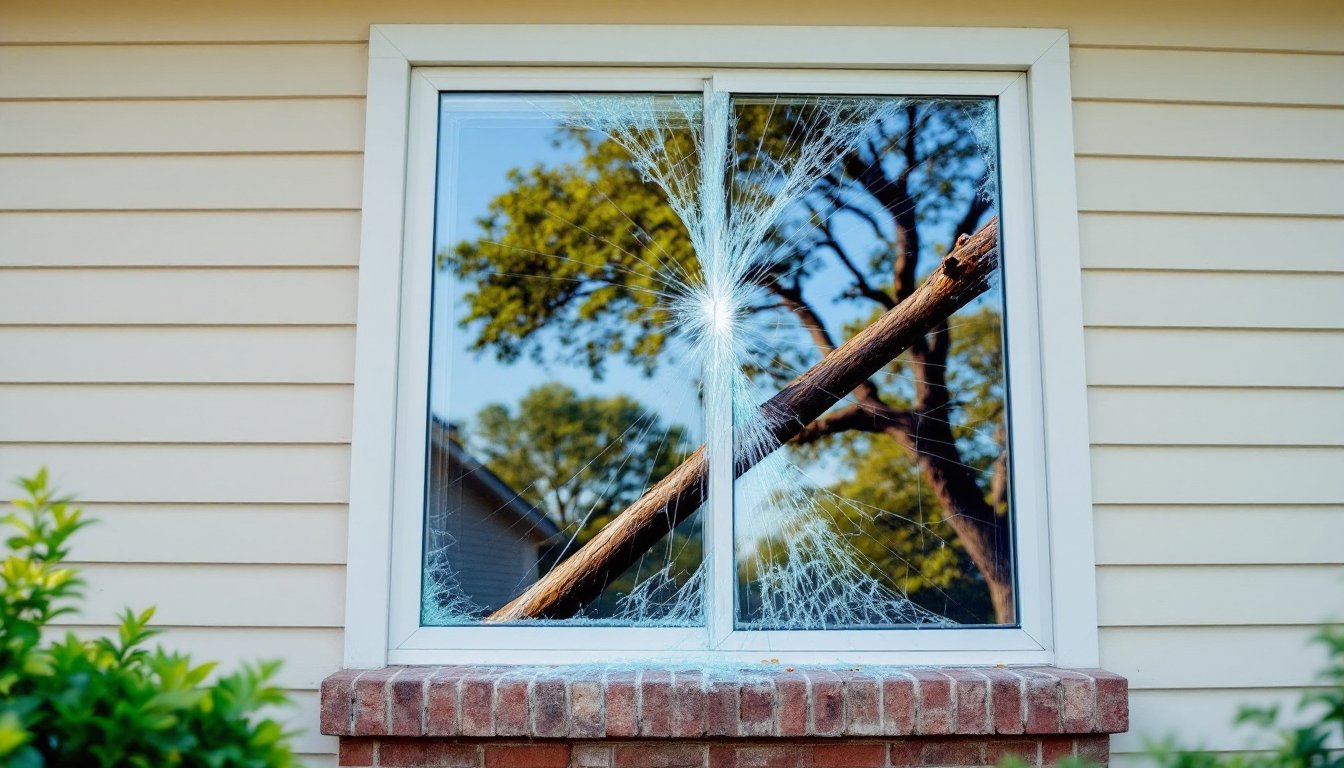
When a storm sends a branch through a living room window or a baseball shatters the glass in a bedroom, homeowners face two immediate questions: What will this cost, and does insurance cover window replacement? The answer depends entirely on how the damage occurred and what the policy actually says. Many homeowners assume their policy covers any broken window, only to discover exclusions and conditions buried in the fine print. Understanding when insurers will pay for window replacement, and when they won’t, can save thousands of dollars and prevent claim denials. This guide breaks down covered perils, common exclusions, and the exact steps to file a successful claim in 2026.
Table of Contents
ToggleKey Takeaways
- Home insurance covers window replacement only when damage results from covered perils like storms, hail, vandalism, or break-ins, but excludes wear and tear, maintenance issues, and intentional damage.
- Homeowners must pay their deductible (typically $500–$2,500) before insurance coverage applies, so filing a claim only makes sense if repair costs exceed the deductible amount.
- Actual cash value (ACV) policies reimburse depreciated window costs, while replacement cost coverage pays for a new comparable window—verify which type your policy provides to understand your true out-of-pocket expense.
- Window replacement for energy efficiency upgrades or cosmetic improvements is never covered by insurance; policies only pay for damage caused by covered events, not lifestyle enhancements.
- Earth movement, flood damage, insect or animal damage, and normal breakage are commonly excluded from standard homeowners policies and require separate endorsements or specialized coverage.
- Successful window replacement claims require immediate damage documentation with timestamped photos, prompt claim filing (usually within 60 days), cooperation with the adjuster, and independent contractor estimates to ensure fair payment.
Does Home Insurance Cover Window Replacement?
Standard homeowners insurance policies typically cover window replacement when damage results from a covered peril, events explicitly listed in the policy. Most HO-3 policies, the most common type, operate on an “open perils” basis for the dwelling itself, meaning they cover all causes of loss except those specifically excluded.
The key phrase in any policy is “sudden and accidental.” Damage must be unexpected and direct. If a tree falls on a house during a windstorm and destroys a bay window, that’s covered. If rot from years of deferred maintenance causes a window frame to fail, that’s not.
Deductibles always apply. Even when a claim is approved, homeowners pay the policy deductible first, often $500 to $2,500, before insurance kicks in. If replacing a single broken window costs $400 and the deductible is $1,000, filing a claim makes no financial sense. The out-of-pocket expense must exceed the deductible for coverage to provide value.
Another critical factor: actual cash value (ACV) versus replacement cost coverage. ACV policies reimburse for the window’s depreciated value, accounting for age and wear. Replacement cost policies pay to install a comparable new window without depreciation. A 15-year-old wooden double-hung window might have an ACV of $150 but a replacement cost of $600. Homeowners should verify which coverage type their policy provides.
Does insurance cover window replacement for energy efficiency upgrades or style changes? No. Policies don’t pay to swap functioning windows for modern low-E glass or upgrade from single-pane to double-pane unless the originals were damaged by a covered event. Cosmetic improvements fall outside insurance scope.
What Types of Window Damage Are Covered by Home Insurance?
Most policies cover several specific perils that commonly damage windows. Here’s what insurers typically approve.
Storm and Hail Damage
Wind-driven rain, hail, and flying debris are among the most frequently covered causes of window damage. When a hurricane, tornado, or severe thunderstorm hurls branches, roofing material, or other objects into windows, insurers generally approve claims without dispute.
Hail damage requires visible evidence, pitting, cracks, or shattered glass. Adjusters often inspect surrounding structures (siding, roof, gutters) to verify hail size and impact. In states like Texas and Colorado, where hailstorms routinely produce golf-ball-sized ice, window claims spike after major weather events. Homeowners should photograph all damage immediately, including close-ups of impact points and wide shots showing the affected area.
One nuance: pressure-rated windows in coastal zones. Some policies in hurricane-prone regions require impact-resistant or code-compliant windows for full coverage. If a homeowner in South Florida replaces original windows with non-rated units and a storm damages them, the insurer may reduce the payout or deny the claim entirely. Always verify local building codes and policy requirements before installing replacement windows in high-risk areas.
Vandalism and Break-Ins
Vandalism and theft-related damage fall under covered perils in standard policies. If someone smashes a window during a burglary or throws a rock through glass for no reason, insurance typically pays for replacement.
Claims require a police report. Insurers won’t process vandalism claims without official documentation. Homeowners should file the report within 24 hours and obtain the case number before contacting their insurance company.
Coverage includes broken glass and damaged frames. If a thief kicks in a window, bending the aluminum frame and cracking the sill, the entire assembly qualifies for replacement, not just the glass. The insurer may also cover temporary board-up costs to secure the opening until repairs are completed.
One exception: vacant properties. If a home sits unoccupied for more than 30 to 60 consecutive days (the threshold varies by insurer), vandalism coverage may be suspended or excluded. Homeowners planning extended absences should notify their insurer and inquire about vacant home endorsements.
When Home Insurance Won’t Cover Window Replacement
Understanding exclusions prevents frustrating claim denials. Several common scenarios leave homeowners paying out of pocket.
Wear and tear tops the list. Policies explicitly exclude damage from aging, deterioration, or lack of maintenance. Cracked glazing compound, rotted wood sills, failed seals in double-pane units, or condensation between panes, all considered maintenance issues. If a window leaks because the caulking dried out over a decade, that’s the homeowner’s responsibility.
Insect or animal damage usually isn’t covered unless it results from a covered peril. Termites chewing through window frames, woodpeckers drilling holes in trim, or squirrels gnawing sash corners, insurers classify these as maintenance or pest control problems, not insured losses.
Earth movement exclusions rule out coverage for damage from earthquakes, sinkholes, or settling foundations. If shifting soil cracks window glass or racks frames out of square, standard policies won’t pay. Homeowners in seismic zones or areas with expansive clay soils need separate earthquake or earth movement endorsements.
Flood damage requires a separate National Flood Insurance Program (NFIP) policy or private flood insurance. Standard homeowners policies exclude all water damage originating from surface water, storm surge, or overflowing bodies of water. If a river floods a home and destroys ground-floor windows, only a flood policy covers replacement.
Intentional damage by the homeowner or a resident obviously isn’t covered. If someone punches a window in anger or a child breaks glass during roughhousing, the insurer won’t pay.
Normal breakage or accidents without a covered cause also fall outside coverage. A homeowner dropping a ladder against a window or a lawnmower kicking up a rock generally aren’t covered perils unless the policy includes a special endorsement for accidental glass breakage.
Finally, cosmetic damage with no functional impairment doesn’t qualify. Scratched glass, faded frames, or discoloration from UV exposure won’t trigger a payout. Insurance covers loss, not aesthetics.
How to File a Window Replacement Claim Successfully
A well-documented claim moves faster and faces fewer disputes. Follow these steps to maximize approval odds.
Document damage immediately. Take photos and videos from multiple angles before touching anything. Capture close-ups of broken glass, impact points, damaged frames, and any visible cause (fallen tree limb, hail dents on siding). Include wide shots showing the window’s location and surrounding damage. Time-stamped images strengthen the claim.
Secure the opening. Insurers expect homeowners to prevent further damage. Board up broken windows with ½-inch plywood and exterior-grade screws. Save receipts, most policies reimburse temporary repairs. Don’t start permanent replacement work until an adjuster inspects the damage.
Review the policy before calling. Check the declarations page for the deductible amount and coverage type (ACV vs. replacement cost). If repair costs fall below the deductible, filing may not make sense. Also note that multiple claims within a short period can trigger rate increases or non-renewal.
File the claim promptly. Most policies require notification within a reasonable timeframe, often 60 days, but check the specific policy. Call the insurer’s claims department or file online if available. Provide the policy number, a clear description of what happened, and the approximate date of damage.
Cooperate with the adjuster. The insurance company will send an adjuster to inspect and estimate repair costs. Be present during the inspection, point out all damage, and provide the photos and any police reports. If the damage includes interior water staining from rain entering through broken windows, show that too, it may be covered.
Get independent estimates. While the adjuster provides an estimate, homeowners can, and should, obtain quotes from licensed window contractors. If there’s a significant gap between the adjuster’s number and contractor bids, submit the higher estimates and negotiate. Insurers must pay the actual cost to restore the home to pre-loss condition.
Understand depreciation and payment timing. With ACV policies, insurers issue an initial check for depreciated value, then pay the remaining recoverable depreciation after work is completed and receipts are submitted. With replacement cost coverage, expect full payment once the claim is approved, minus the deductible.
Don’t settle too quickly. If the adjuster’s offer seems low, ask for a detailed breakdown. Hidden damage often emerges during window removal, rotted framing, water-damaged drywall, or mold. The claim can be amended if additional covered damage is discovered during repairs.
Conclusion
Home insurance covers window replacement when damage results from covered perils like storms, hail, or vandalism, but not when it stems from wear, neglect, or excluded events. Homeowners who understand their policy terms, document damage thoroughly, and follow proper claims procedures stand the best chance of approval and fair payment. When in doubt, file a detailed claim and let the adjuster determine coverage. Proactive maintenance and quick action after damage occurs protect both the home and the insurance investment.