
Smart grids promise efficiency, renewable energy integration, and real-time demand management. But the same digital connectivity that makes them intelligent also makes them vulnerable. As utilities replace analog meters with networked sensors and two-way communication systems, they’re opening thousands of potential entry points for cyber attacks. Unlike traditional power grids where threats were mostly physical, smart grids face sophisticated digital adversaries targeting everything from substations to home energy management systems. The stakes are high: a successful attack could cascade across regional networks, disrupting hospitals, water treatment plants, and emergency services. Understanding these vulnerabilities isn’t just an IT problem, it’s a matter of national security and public safety.
Table of Contents
ToggleKey Takeaways
- Smart grid vulnerabilities stem from hybrid legacy infrastructure merged with modern digital connectivity, creating thousands of entry points for cyber attacks that traditional power systems never faced.
- Nation-state actors and criminal organizations have demonstrated advanced capabilities—like the 2015 Ukraine attack and sophisticated malware (TRITON, INDUSTROYER)—making smart grid cyber security a matter of national security and public safety.
- Granular smart meter data collected every 15 minutes reveals personal consumption patterns that enable identity theft and physical security risks, requiring strong encryption and regulatory frameworks to protect consumer privacy.
- Legacy equipment from the 1980s–90s designed without cyber security in mind creates fundamental vulnerabilities; retrofitting security is costly and technically limited, forcing utilities to rely on workaround solutions.
- Layered defenses including network segmentation, zero-trust architecture, industrial control system intrusion detection, and robust incident response plans are essential to mitigate smart grid cyber threats.
- Insider threats and supply chain compromises—from malicious employees to backdoored equipment—require comprehensive vendor security assessments and secure hardware authenticity verification throughout the procurement process.
What Makes Smart Grids Vulnerable to Cyber Attacks?
Smart grids aren’t built from scratch. They’re complex hybrids of decades-old infrastructure and cutting-edge technology, creating a patchwork of vulnerabilities that attackers can exploit.
The attack surface is massive. A typical smart grid includes supervisory control and data acquisition (SCADA) systems, advanced metering infrastructure (AMI), distributed energy resources like solar arrays, electric vehicle charging stations, and thousands of Internet-connected sensors. Each connection point is a potential entry vector.
Many grid operators run distributed control systems across wide geographic areas with inconsistent security protocols. A substation in a rural area might have weaker defenses than urban facilities, yet it’s part of the same interconnected network. Attackers often target the weakest link, then move laterally through the system.
The real-time nature of grid operations adds another layer of complexity. Unlike traditional IT networks where administrators can take systems offline for patching and updates, grid infrastructure must maintain 24/7 uptime. This means security patches often get delayed, leaving known vulnerabilities exposed for extended periods.
Legacy Infrastructure Integration
The biggest security headache? Legacy equipment that was never designed with cyber security in mind. Substations still operate relay protection systems and remote terminal units (RTUs) installed in the 1980s and ’90s. These devices used proprietary protocols and were built assuming physical isolation would keep them safe.
Retrofitting security onto legacy systems is like adding a deadbolt to a door that doesn’t have a strike plate, technically possible but fundamentally limited. Many older SCADA systems lack basic authentication controls, run on outdated operating systems that no longer receive security updates, and can’t support modern encryption without hardware replacement.
The cost and complexity of replacing functional equipment makes utilities reluctant to upgrade. A single substation retrofit can run into millions of dollars, and most utilities manage hundreds of sites. As a result, they often carry out protocol converters and security gateways that act as translation layers between old and new systems. While better than nothing, these workarounds create additional complexity and potential failure points.
The Growing Threat Landscape for Smart Grid Networks
Cyber threats targeting energy infrastructure have evolved from theoretical concerns to documented reality. Nation-state actors, criminal organizations, and hacktivists all have different motivations, and capabilities, for attacking power systems.
The 2015 Ukraine power grid attack demonstrated how adversaries can weaponize cyber tools against utilities. Attackers used spear-phishing emails to gain initial access, then spent months mapping the network before deploying malware that opened circuit breakers and cut power to 230,000 customers. They also sabotaged backup systems and flooded call centers to maximize disruption.
Since then, threat sophistication has increased. Security researchers have identified malware specifically designed to target industrial control systems, including TRITON (which targeted safety instrumented systems) and INDUSTROYER (built to manipulate substation equipment). These aren’t script-kiddie tools, they represent significant investment in understanding how grid infrastructure operates.
Ransomware poses another growing threat. The 2021 Colonial Pipeline attack wasn’t technically a smart grid incident, but it demonstrated how cyber attacks on energy infrastructure can trigger real-world panic and supply disruptions. Utilities now face attackers who encrypt critical operational data and demand payment for restoration, potentially during weather emergencies or peak demand periods.
State-sponsored reconnaissance is perhaps the most concerning long-term threat. Security firms regularly detect sophisticated actors probing utility networks, mapping infrastructure, and establishing persistent access points. These operations suggest adversaries are pre-positioning capabilities for potential future conflict, essentially planting digital landmines in critical infrastructure.
Data Privacy and Consumer Information Protection
Smart meters generate detailed consumption data every 15 minutes or more frequently, creating privacy concerns that go beyond traditional utility billing. This granular data reveals patterns about when residents are home, what appliances they’re using, and even what activities they’re engaged in.
Researchers have demonstrated that non-intrusive load monitoring (NILM) can identify specific devices from aggregate consumption patterns. An attacker with access to smart meter data could determine when a home is unoccupied, identify valuable electronics, or infer sensitive personal information.
The data aggregation problem multiplies across millions of meters. Utilities collect, transmit, and store massive datasets that represent attractive targets for theft. A breach exposing customer consumption patterns, names, addresses, and payment information creates both identity theft risks and physical security vulnerabilities.
Regulatory frameworks are struggling to keep pace. While some jurisdictions have established data protection requirements for utilities, enforcement and standards vary widely. The California Public Utilities Commission has implemented relatively strict rules around meter data access and third-party sharing, but many states lack comprehensive frameworks.
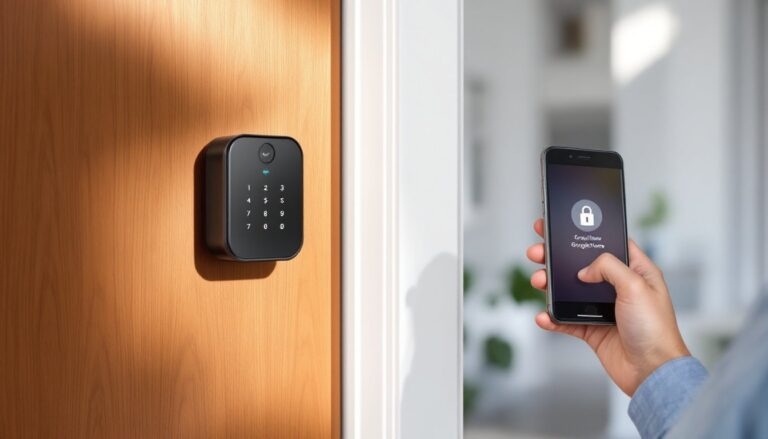
Utilities face the challenge of protecting data while enabling beneficial uses like demand response programs and time-of-use pricing. Customers increasingly expect access to their own consumption data through mobile apps and web portals, each of which represents another potential attack vector. Encryption and access controls are essential, but implementation across diverse legacy billing systems remains inconsistent.
Communication Protocol Weaknesses and IoT Vulnerabilities
Smart grids rely on multiple communication protocols, many of which weren’t designed with robust security features. DNP3 (Distributed Network Protocol) and Modbus are widely used in SCADA systems but originally lacked authentication and encryption. Secure versions exist, but adoption has been slow due to compatibility issues with installed equipment.
Wireless communication introduces additional vulnerabilities. Many smart meters use RF mesh networks or cellular connections to transmit data. While utilities carry out encryption, researchers have identified weaknesses in some implementations that could allow interception or manipulation of meter readings.
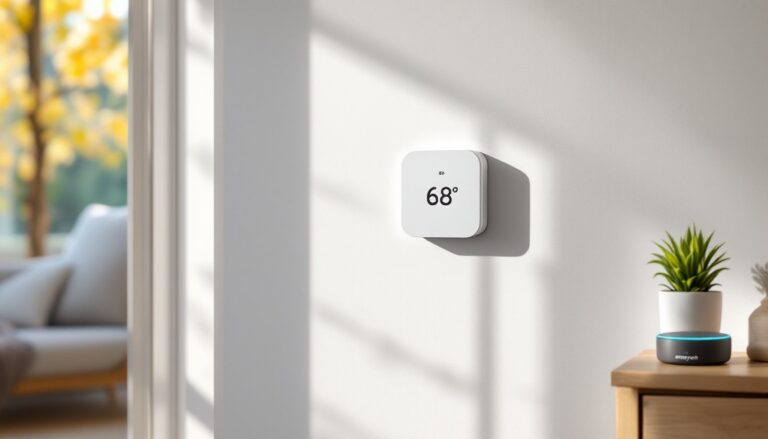
The explosion of IoT devices on the grid edge creates an expanding attack surface. Smart thermostats, home energy management systems, and distributed solar inverters all connect to utility networks, often with minimal security controls. A compromised smart thermostat used in a demand response program could potentially provide attackers with network access.
Distributed Energy Resources (DERs) present unique protocol challenges. Solar inverters, battery storage systems, and EV charging stations use standards like IEEE 2030.5 and SunSpec Modbus for grid communication. But, implementation quality varies widely among manufacturers, and many devices lack secure update mechanisms.
The IP-based nature of modern grid communication means attacks developed for traditional IT networks can be adapted to target operational technology. Utilities must defend against both specialized industrial control system exploits and common threats like DDoS attacks, man-in-the-middle attacks, and credential stuffing.
Insider Threats and Supply Chain Security Risks
Not all threats come from external attackers. Insider threats, whether malicious employees, careless contractors, or compromised credentials, represent significant risks to grid security. Utility workers have legitimate access to critical systems, making it difficult to distinguish authorized activity from sabotage.
The 2020 case where a Kansas water treatment facility employee attempted to damage equipment after resignation demonstrates how insider knowledge combines with system access to create danger. Grid operators have similar vulnerabilities, with control center operators, field technicians, and IT administrators all holding privileged access.
Supply chain compromises represent an evolving threat vector. The revelations about backdoors in networking equipment and the SolarWinds attack highlighted how adversaries can compromise systems before they’re even installed. Grid equipment procurement involves complex international supply chains with limited visibility.
Utilities purchase smart meters, protection relays, and control system hardware from global manufacturers. Components may be assembled in multiple countries, with firmware and software developed separately. Verifying that equipment hasn’t been compromised during manufacturing or shipping poses significant challenges.
Third-party vendors create additional exposure. Utilities rely on contractors for meter installation, system integration, and ongoing maintenance. Each vendor with network access represents a potential entry point. The 2013 Target breach originated through HVAC contractor credentials, a similar scenario could affect utility networks.
Hardware authenticity verification and secure boot processes help, but implementation is inconsistent. Many utilities lack comprehensive vendor security assessment programs or supply chain risk management frameworks.
Best Practices for Securing Smart Grid Infrastructure
Effective grid security requires layered defenses combining technology, policy, and operational practices. No single solution addresses all vulnerabilities, but comprehensive approaches can significantly reduce risk.
Network segmentation isolates critical systems from less secure areas. Utilities should carry out strict boundaries between corporate IT networks and operational technology environments, using firewalls and one-way data diodes where appropriate. Control systems shouldn’t be directly accessible from internet-facing networks.
Implementing zero-trust architecture means verifying every access request regardless of source. This involves multi-factor authentication for all system access, least-privilege access controls, and continuous monitoring of user behavior for anomalies.
Regular security assessments and penetration testing identify vulnerabilities before attackers do. Utilities should conduct both internal reviews and engage third-party security firms to test defenses. Testing should include both IT systems and operational technology environments, recognizing their different requirements.
Intrusion detection systems specifically designed for industrial control systems can identify abnormal protocol usage or unauthorized command sequences that traditional IT security tools might miss. These systems understand SCADA protocols and can alert operators to suspicious activity.
Employee training and security awareness reduce insider threat and social engineering risks. Personnel should understand phishing tactics, proper credential handling, and reporting procedures for suspicious activity.
Collaboration with information sharing organizations like the Electricity Information Sharing and Analysis Center (E-ISAC) helps utilities learn from industry-wide threats and incidents. Threat intelligence sharing allows faster response to emerging attack patterns.
Finally, robust incident response planning ensures utilities can detect, contain, and recover from attacks. Plans should include procedures for operating in degraded states, communication protocols, and coordination with regulators and law enforcement.