Amana, best known for HVAC equipment, has entered the smart thermostat market with models designed to work seamlessly with their heating and cooling systems, but also compatible with most residential HVAC setups. These thermostats combine programmable scheduling, Wi-Fi connectivity, and remote control through a smartphone app. They’re positioned as a mid-range option for homeowners who want energy-saving automation without the premium price tag of Nest or Ecobee. For DIYers comfortable with basic wiring and phone apps, an Amana smart thermostat offers solid functionality and straightforward installation. This guide covers what sets these devices apart, how to install them, and whether they’re the right fit for a given home.
Table of Contents
ToggleKey Takeaways
- An Amana smart thermostat combines programmable scheduling, Wi-Fi connectivity, and smartphone control at a mid-range price, making it an affordable alternative to premium brands like Nest and Ecobee.
- The Amana smart thermostat requires a C-wire (common wire) for stable Wi-Fi connection and consistent operation, so check your system before installation or consider adding an adapter.
- Installation is a manageable DIY project for homeowners comfortable with basic low-voltage wiring, typically taking under an hour for experienced users with proper labeling and testing.
- Energy savings of 10–15% annually are achievable through better scheduling, geofencing, and adaptive recovery, especially when upgrading from older mechanical thermostats or correcting heating and cooling habits.
- The Amana smart thermostat integrates with Amazon Alexa and Google Assistant for basic voice commands but lacks compatibility with Apple HomeKit and comprehensive smart home platforms, making it best for primary HVAC control rather than whole-home automation.
- Realistic long-term value comes from pairing the Amana smart thermostat with proper insulation, air sealing, and regular HVAC maintenance, plus checking for available utility rebates that can offset initial costs.
What Is the Amana Smart Thermostat?
The Amana smart thermostat is a Wi-Fi-enabled programmable thermostat that allows remote temperature control via smartphone, tablet, or web browser. It’s manufactured by Daikin (Amana’s parent company) and marketed primarily through HVAC contractors and select retailers.
These units support multi-stage heating and cooling systems, including gas furnaces, electric heat pumps, dual-fuel setups, and air conditioning systems up to 3 heat / 2 cool stages. They’re compatible with both 24-volt conventional systems and heat pump configurations with auxiliary heat.
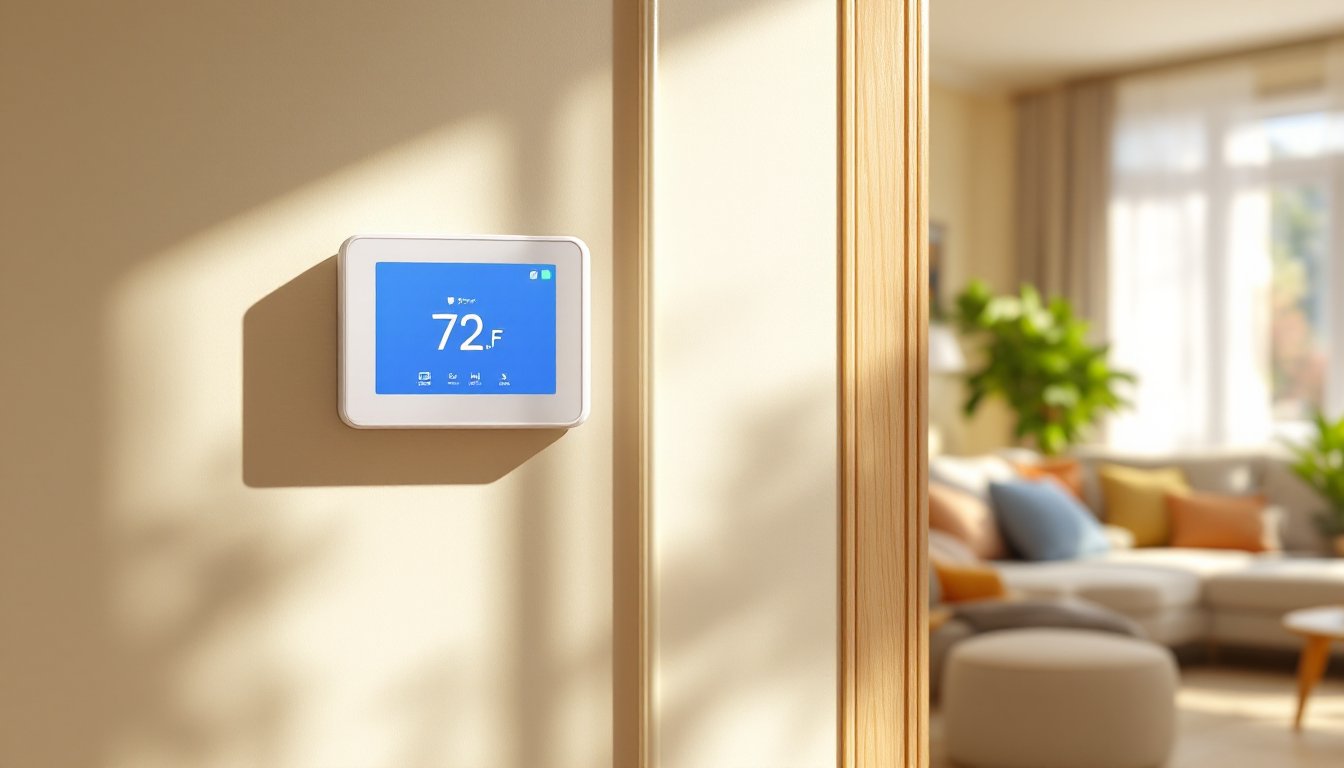
Unlike learning thermostats that adapt to user behavior, Amana models rely on manual programming or app-based schedules. The interface features a color touchscreen (typically 3.5 to 4.5 inches diagonal depending on model) with intuitive menu navigation. Most models include humidity sensing and can control compatible whole-home humidifiers or dehumidifiers when wired properly.
Amana smart thermostats are often bundled with new Amana HVAC installations but work with other brands’ equipment as long as the wiring and voltage match. They’re a practical choice for homeowners who want remote access and scheduling without paying for advanced occupancy sensors or voice assistant integration in every room.
Key Features and Technology
Amana smart thermostats pack several useful features into a straightforward package:
7-Day Programmable Scheduling: Users can set up to four temperature periods per day (wake, away, home, sleep) with different schedules for each day of the week. This beats older 5-1-1 or 5-2 models that lump weekdays together.
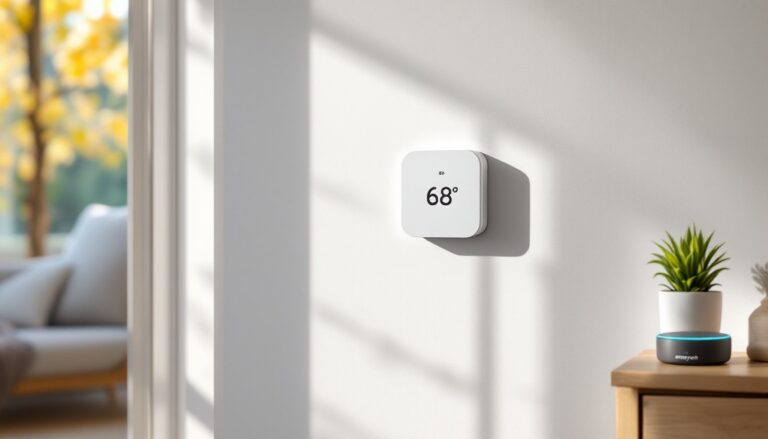
Wi-Fi Connectivity: Operates on standard 2.4 GHz networks. The thermostat connects to the home router, allowing control from anywhere with internet access. No hub or bridge required.
Geofencing: Some models support location-based automation. When the user’s phone leaves a set radius, the thermostat can switch to away mode. It returns to the home schedule when they approach.
Energy Usage Reports: The app displays daily and monthly runtime summaries, helping users spot inefficiencies or equipment issues. It’s not as granular as utility-grade monitoring but enough to track trends.
Filter and Maintenance Reminders: Configurable alerts based on runtime hours or calendar days. The system will notify users when it’s time to replace the furnace filter or schedule professional maintenance.
Touchscreen Lockout: Useful in homes with kids. Parents can lock the screen to prevent temperature tampering while still allowing adjustments via the app.
Adaptive Recovery: The thermostat learns how long the HVAC system takes to reach the setpoint and starts heating or cooling early so the home hits target temperature at the scheduled time.
Most models lack advanced sensors for room-by-room control or compatibility with third-party remote sensors. Voice control is limited to basic commands through Alexa or Google Assistant on some models, users can ask for current temperature or adjust setpoints, but complex routines require workarounds.
Installation and Setup Process
Installing an Amana smart thermostat is a manageable DIY project for anyone comfortable with basic electrical work. Turn off power at the breaker before removing the old thermostat, this is non-negotiable.
Wiring
Most residential systems use low-voltage 24VAC wiring. Common terminals include:
- R or Rh: Power from the transformer (heating)
- Rc: Power for cooling (sometimes jumpered to Rh)
- W or W1/W2: Heat stages
- Y or Y1/Y2: Cooling stages
- G: Fan
- C: Common wire (powers the thermostat)
- O/B: Heat pump reversing valve
The C-wire is critical. Without it, the thermostat may lose Wi-Fi connection or reboot randomly. If there’s no C-wire at the old thermostat, check the furnace control board, there may be an unused wire in the cable. Alternatively, install a 24V add-a-wire adapter or an external transformer. Don’t skip this step.
Label each wire as it’s removed from the old thermostat using the included stickers or masking tape. Attach wires to the corresponding terminals on the Amana base plate, ensuring they’re seated firmly. Loose connections cause short cycling or no power.
Mounting and Configuration
The base plate mounts to a standard single-gang electrical box or directly to drywall with anchors. Level it before driving screws, crooked thermostats look sloppy and can affect touchscreen responsiveness on some models.
Snap the thermostat onto the base plate and restore power. The device will boot and prompt for basic setup: language, date/time, system type (heat pump, gas, etc.), and number of stages. Answer these accurately, incorrect settings can damage equipment or cause inefficient operation.
Wi-Fi and App Pairing
Connect the thermostat to Wi-Fi through the on-screen menu. Download the Amana app (iOS or Android), create an account, and follow the pairing process. Most units use a QR code or PIN displayed on the thermostat screen.
Test heating and cooling modes individually to confirm proper operation before finishing. If the system doesn’t respond, double-check wiring and verify the breaker is on.
Permit Note: Thermostat replacement typically doesn’t require a permit, but if combined with new HVAC equipment or system modifications, local codes may apply. When in doubt, check with the local building department.
Smart Home Integration and App Control
The Amana app provides full control over scheduling, setpoints, and system modes from any internet-connected device. The interface is utilitarian, no flashy animations, just clear buttons and readable fonts.
Users can override scheduled temperatures temporarily or permanently, switch between heat/cool/auto modes, and view current indoor temperature and humidity. The app sends push notifications for maintenance reminders, extreme temperature alerts, and connectivity issues.
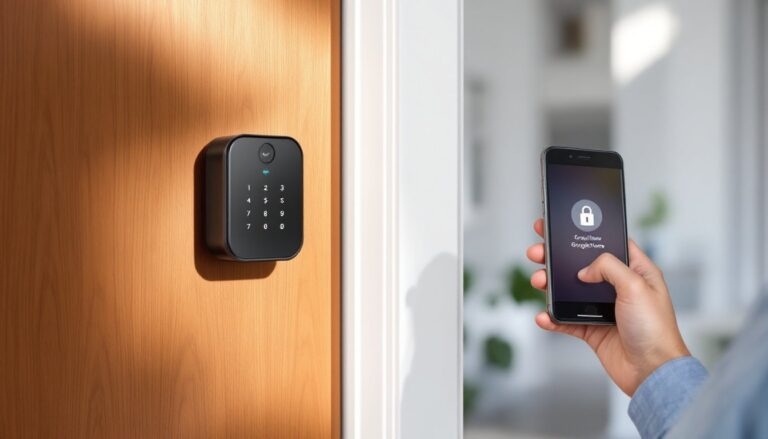
Voice Assistant Compatibility varies by model. Newer Amana smart thermostats work with Amazon Alexa and Google Assistant for basic voice commands: “Set thermostat to 70 degrees,” “What’s the temperature inside?” More complex routines (like “goodnight” scenes that adjust temperature, lights, and locks) require workarounds through the assistant’s native app, not the Amana app.
Amana thermostats don’t integrate with Apple HomeKit, SmartThings, or most third-party home automation platforms as of 2026. This limits their appeal for users building comprehensive smart home ecosystems. They’re best suited for homeowners who primarily want remote HVAC control without extensive automation.
The app also lacks multi-user management features found in premium competitors. All app users have full control, there’s no guest access or permission levels. For most households, this isn’t a dealbreaker, but rental properties or shared homes might prefer more granular controls.
Energy Savings and Performance Benefits
Smart thermostats save energy primarily through better scheduling and eliminating temperature drift. The EPA estimates programmable thermostats can reduce heating and cooling costs by 10-15% annually when used correctly, though actual savings depend on climate, insulation, and user habits.
Amana’s adaptive recovery helps by starting the HVAC system just early enough to hit target temperature at scheduled times, avoiding the energy waste of aggressive setpoint changes or running too long. Geofencing adds another layer by automatically switching to away mode when no one’s home, eliminating the “forgot to adjust the thermostat” energy drain.
Humidity sensing improves comfort and efficiency. In winter, maintaining proper humidity (30-50%) allows occupants to feel comfortable at lower temperatures. In summer, dehumidification reduces the muggy feeling that makes people lower the AC excessively.
The energy reports in the app aren’t precise enough for utility rebate documentation, but they’re useful for spotting problems. If runtime suddenly spikes, it could indicate a failing compressor, dirty coils, or duct leaks, issues that cost far more than a thermostat when ignored.
Realistic Expectations: Replacing a functioning programmable thermostat with a smart model won’t produce dramatic savings. The biggest gains come from upgrading an old mechanical dial thermostat or correcting bad habits like heating or cooling an empty home. Pairing a smart thermostat with proper insulation, air sealing, and regular HVAC maintenance yields the best return on investment.
Some utility companies offer rebates for smart thermostat installation, check local programs before buying. Rebates typically range from $25 to $100 and may require proof of purchase and energy-saving settings enabled.
Pricing and Where to Buy
Amana smart thermostats typically retail between $150 and $250 depending on model and features. This positions them below premium brands like Nest (Google) and Ecobee, but above basic Wi-Fi thermostats from Honeywell Home or Emerson.
They’re primarily sold through HVAC contractors and distributed as part of Amana system installations. Some online retailers and home improvement stores carry them, but availability is spottier than mass-market brands. Authorized dealers can often provide better support for wiring questions or warranty issues than big-box stores.
Professional Installation costs vary widely by region and contractor. Expect $100 to $200 for labor if hiring a technician. Some HVAC companies include thermostat installation free or discounted when bundled with system tune-ups or equipment purchases.
DIY installation saves labor costs but requires confidence with low-voltage wiring and basic troubleshooting. Most homeowners with prior thermostat experience can handle it in under an hour. First-timers should budget two hours and have a voltage tester and wire labels ready.
Warranty coverage is typically 5 years on the thermostat itself when installed with an Amana HVAC system, or 1-2 years for standalone purchases. Registration through the Amana website or app is usually required to activate extended warranties. Keep the receipt, warranty claims without proof of purchase get denied.
Before buying, verify the thermostat model supports the specific HVAC system configuration. Amana’s website has a compatibility tool, or consult the installation manual. Buying the wrong model for a heat pump or multi-stage system leads to returns, wasted time, and potential equipment damage.
Conclusion
Amana smart thermostats deliver reliable remote control, solid scheduling features, and energy-saving automation without unnecessary complexity. They’re a sensible choice for homeowners who want better HVAC management without paying for advanced sensors or broad smart home integration. Installation is DIY-friendly for those comfortable with basic wiring, though the C-wire requirement may add a step. While not as feature-rich as premium competitors, they offer dependable performance at a fair price, especially when bundled with Amana HVAC equipment or purchased through a contractor relationship.