Amazon’s Blink ecosystem expanded beyond cameras in recent years, but the Blink Smart Lock doesn’t quite exist the way many shoppers expect. There’s confusion in the market, searches for “Blink smart lock” often lead to dead ends or third-party integrations that don’t deliver. What homeowners actually find is Amazon’s broader Ring and Alexa-compatible lock ecosystem, sometimes marketed alongside Blink video doorbells. This guide clears up what’s real, what works, and how DIYers can integrate smart locks with Blink and Amazon devices in 2026. Whether retrofitting an existing deadbolt or installing from scratch, understanding compatibility, installation requirements, and security trade-offs is essential before buying.
Table of Contents
ToggleKey Takeaways
- Blink does not manufacture a dedicated smart lock; instead, homeowners integrate third-party Alexa-compatible locks like Yale or Kwikset with Blink video doorbells through Amazon’s ecosystem.
- A smart lock paired with Blink cameras requires basic DIY installation—retrofit locks typically take under an hour and cost $150–$280 for quality Wi-Fi-enabled models.
- Create Alexa routines to automate smart lock and Blink camera actions, such as triggering the doorbell to record when the door unlocks or sending alerts for forced entry attempts.
- Upgrade physical security by installing a Grade 1 deadbolt and reinforcing the strike plate with 3-inch screws into wall studs to protect against pry-bar attacks.
- A complete Blink-compatible smart lock system costs $300–$400 upfront with $3–$10 monthly subscriptions, making it an affordable alternative to professional home monitoring.
- Enable two-factor authentication on all accounts, update firmware regularly, and use a dedicated guest Wi-Fi network to protect your smart lock from cybersecurity threats.
What Is the Blink Smart Lock and How Does It Work?
As of 2026, Blink does not manufacture a dedicated smart lock. The brand focuses on battery-powered security cameras and video doorbells. But, Amazon’s ecosystem allows integration between Blink video doorbells and compatible smart locks from brands like Yale, Kwikset, and August (now part of Yale Access).
Most “Blink smart lock” searches lead to one of two scenarios: users looking to pair a third-party Alexa-compatible smart lock with their Blink doorbell, or confusion with Ring’s smart lock offerings. Amazon’s Ring brand does produce locks, but they operate on a separate app and subscription model.
How Third-Party Smart Locks Integrate with Blink
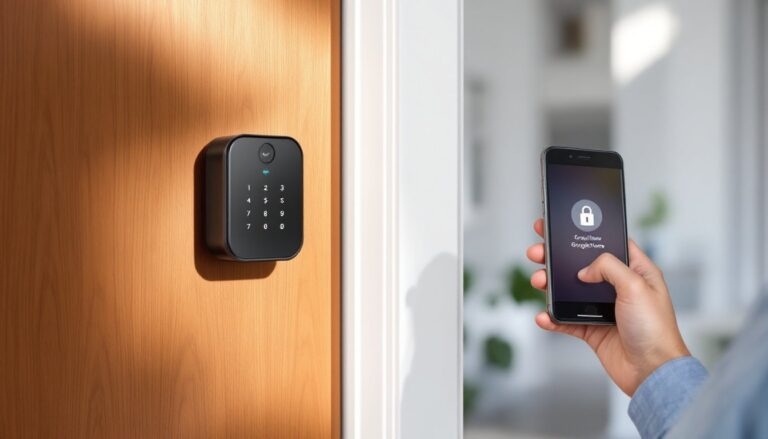
Smart locks that work with Alexa can trigger routines alongside Blink devices. For example, unlocking a Yale Assure Lock 2 can send a notification to the Alexa app and trigger a Blink doorbell to start recording. This isn’t native Blink-to-lock communication, it’s routed through Alexa routines and requires a compatible Echo device or Alexa-enabled hub.
Most retrofit smart locks replace only the interior thumb turn and deadbolt mechanism, leaving the exterior keyed cylinder intact. These are called smart deadbolt conversions. Full-replacement locks swap both interior and exterior hardware. Conversion kits are easier to install and allow existing keys to work, but they may not offer the sleekest look.
Key Features That Set Blink Smart Lock Apart
Since Blink doesn’t sell a lock, this section covers the most common features found in Alexa-compatible smart locks that pair with Blink systems, and what DIYers should prioritize.
Remote Locking and Unlocking
Most modern smart locks allow remote operation via smartphone app or voice command through Alexa. This requires a Wi-Fi bridge (built into the lock or via a separate hub). Homeowners can lock or unlock doors from anywhere, check status in real time, and receive alerts when someone enters.
Auto-Lock and Geofencing
Auto-lock timers re-engage the deadbolt after a set period (30 seconds to 5 minutes). Geofencing uses the phone’s location to auto-unlock as the user approaches and auto-lock when they leave. Not all locks support geofencing: Yale Assure Lock 2 and August Wi-Fi (4th Gen) do.
Keyless Entry Options
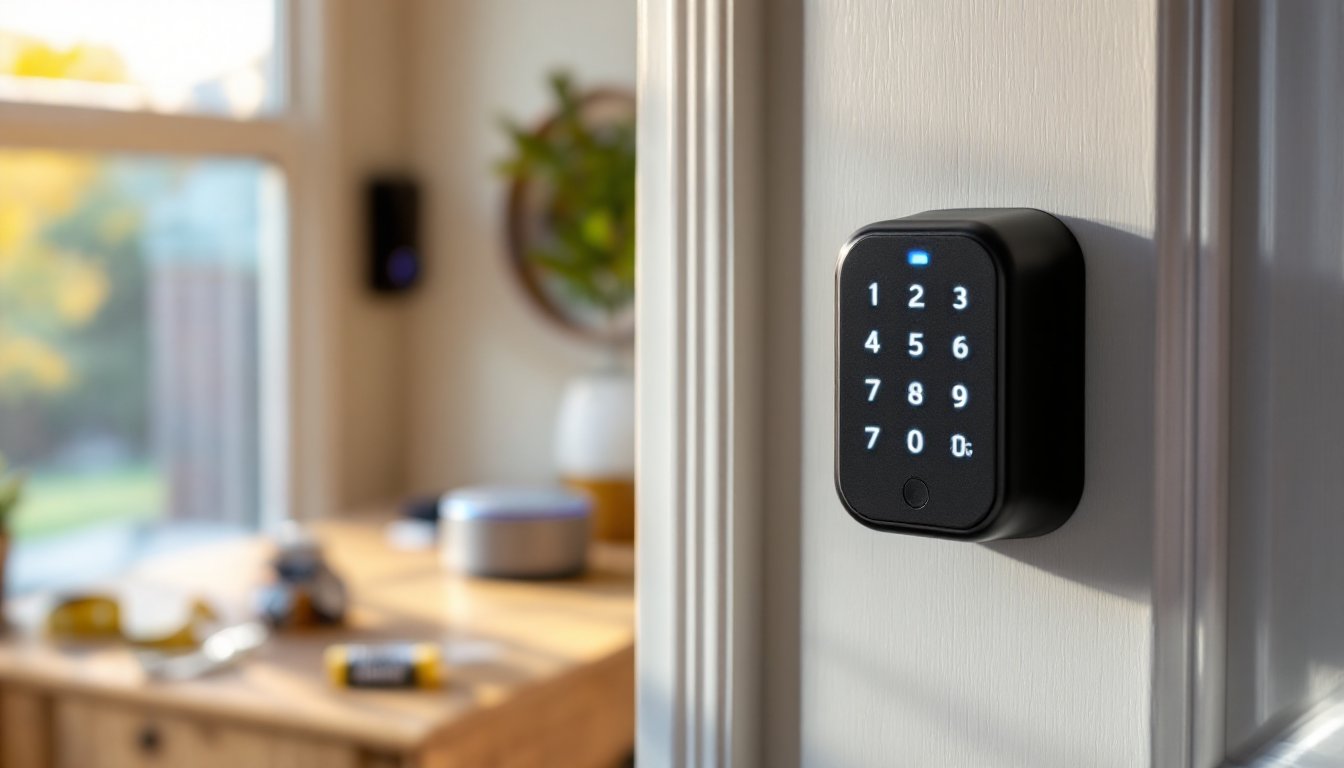
Smart locks offer multiple credential types: numeric keypads, smartphone apps, physical keys (on some models), and voice commands. Some support temporary access codes for guests or contractors, useful for homeowners coordinating service calls while away.
Activity Logs
Most locks record every lock/unlock event with timestamps and user identification. This pairs well with Blink video doorbells: cross-reference doorbell footage with lock activity to see who came and went.
Battery Life and Low-Battery Alerts
Retrofit smart locks run on AA or CR123 batteries. Expect 4 to 12 months per set, depending on usage and connectivity type (Bluetooth-only locks last longer than Wi-Fi models). Low-battery warnings appear in the app weeks before failure. Always keep spare batteries on hand.
Installation and Setup Process
Installing a retrofit smart lock is a straightforward DIY task for most homeowners. Full-replacement locks require a bit more work but remain within reach for anyone comfortable with a drill and measuring tape.
Tools and Materials Needed
- Phillips-head screwdriver (most locks include one)
- Tape measure
- Spare AA or CR123 batteries (check lock specifications)
- Smartphone with manufacturer’s app installed
- Optional: drill and 2-1/8″ hole saw (only for new lock installations or backset adjustments)
Step-by-Step Installation for Retrofit Locks
- Remove the existing interior deadbolt hardware. Unscrew the two long screws holding the interior assembly to the door. Leave the exterior keyed cylinder and latch mechanism in place.
- Check door thickness and backset. Most retrofit locks fit doors 1-3/8″ to 1-3/4″ thick with a 2-3/8″ or 2-3/4″ backset (distance from door edge to center of deadbolt hole). Measure before buying.
- Install the lock’s mounting plate. Align it over the existing holes. Some locks require a specific orientation, follow the template included in the box.
- Attach the smart lock interior assembly. Thread the tailpiece (the rotating bar) through the deadbolt mechanism and secure with the provided screws. Don’t overtighten: it can bind the motor.
- Insert batteries and test manual operation. Before syncing to an app, manually lock and unlock using the interior controls. The bolt should move smoothly without resistance.
- Connect to the app. Open the manufacturer’s app (Yale Access, Kwikset, August, etc.), create an account, and follow pairing instructions. Most locks use Bluetooth for initial setup, then connect to Wi-Fi or a hub.
- Enable Alexa skill and create routines. In the Alexa app, enable the lock’s skill, discover devices, and set up routines to trigger Blink cameras or send notifications.
Full-Replacement Lock Installation
If replacing an old lockset entirely, additional steps include removing the exterior cylinder, unscrewing the latch plate from the door edge, and possibly drilling new holes if switching lock brands. Measure twice, drill once, improper hole placement can weaken the door or cause misalignment.
Common Installation Issues
Door misalignment is the top culprit for binding or incomplete locking. If the deadbolt doesn’t extend smoothly, check that the strike plate on the jamb lines up. Shim the hinges or adjust the strike if needed. Do not force the motor, it’ll drain batteries or burn out.
Blink Smart Lock Compatibility and Integration
Since Blink lacks a native lock, integration happens at the Alexa platform level. Here’s what works, what doesn’t, and how to build a cohesive system.
Alexa-Compatible Locks That Work with Blink
These locks integrate via Alexa routines and can trigger Blink cameras:
- Yale Assure Lock 2 (Wi-Fi or Matter-enabled models)
- Kwikset Halo Touch (Wi-Fi with fingerprint scanner)
- August Wi-Fi Smart Lock (4th Gen)
- Schlage Encode Plus (Wi-Fi and Matter support)
All require the Alexa app and an Amazon account. Locks without built-in Wi-Fi need a compatible hub (e.g., Yale Connect Wi-Fi Bridge, August Connect).
Setting Up Alexa Routines
Routines automate actions based on triggers. Examples:
- “When front door unlocks, start recording on Blink doorbell for 60 seconds.”
- “When front door locks after 10 PM, enable Blink motion detection.”
- “If lock reports forced entry, send Alexa announcement and save Blink clip.”
Create routines in the Alexa app under More > Routines > Create Routine. Add the lock event as a trigger and Blink camera actions as responses.
Limitations
Blink cameras cannot directly unlock smart locks, they’re playback-only devices in the Alexa ecosystem. Voice commands through Echo devices or the Alexa app handle unlocking. There’s no two-way communication between Blink hardware and lock hardware: everything routes through Amazon’s cloud.
Matter Protocol Support
Some newer locks (Yale Assure Lock 2, Schlage Encode Plus) support Matter, the emerging smart home standard. While Blink devices don’t yet support Matter directly, Matter locks pair with Alexa and remain compatible with Blink routines. Matter may future-proof the setup if Amazon expands Blink’s interoperability.
Security and Privacy Considerations
Smart locks introduce convenience but also new threat vectors. DIYers should weigh risks before installation.
Physical Security
A smart lock is only as strong as the deadbolt, strike plate, and door itself. Retrofit locks often reuse the existing Grade 2 or Grade 3 deadbolt, which meets minimum residential standards but won’t stop a determined intruder with a pry bar. Upgrade to a Grade 1 deadbolt (ANSI/BHMA highest rating) and reinforce the door frame with a 3-inch strike plate secured with screws into the wall stud, not just the jamb.
Most smart locks retain a physical keyway, which means traditional lock-picking and bump-key attacks still apply. High-security cylinders (Medeco, Mul-T-Lock) can be retrofitted into some models for added protection.
Cybersecurity
Smart locks connect to home networks and cloud servers, creating potential entry points for hackers. Best practices:
- Enable two-factor authentication (2FA) on all lock and Alexa accounts.
- Use a dedicated guest Wi-Fi network for smart home devices to isolate them from computers and personal data.
- Keep firmware updated, manufacturers push security patches regularly.
- Disable remote unlocking if not needed. Bluetooth-only operation eliminates cloud vulnerabilities.
Battery Backup and Fail-Safes
When batteries die, most locks revert to manual key operation (if equipped). Some models offer 9V emergency jump terminals on the exterior for temporary power. Always keep a physical key accessible off-site (with a neighbor or in a secure lockbox).
Privacy and Data Sharing
Smart locks log every entry and exit. Amazon, Yale, Kwikset, and other manufacturers collect usage data under their privacy policies. Review terms carefully, some share anonymized data with third parties. For maximum privacy, choose locks that support local-only operation without cloud connectivity, though this limits remote access and integration.
Pricing and Subscription Requirements
Smart lock costs vary widely based on features, connectivity, and brand.
Upfront Hardware Costs (2026 Pricing)
- Retrofit smart locks (Bluetooth-only): $80–$150 (August, Wyze Lock)
- Retrofit smart locks (Wi-Fi or hub-enabled): $150–$280 (Yale Assure Lock 2, Kwikset Halo)
- Full-replacement locks with keypad: $180–$350 (Schlage Encode Plus, Yale Assure Lock 2 with keypad)
- Hubs and bridges (if required): $50–$80
Prices fluctuate with sales and regional availability. Expect to pay $200–$250 for a quality Wi-Fi-enabled retrofit lock.
Subscription Fees
Most smart locks do not require subscriptions for core features like remote locking, activity logs, and app control. But, some advanced features are paywalled:
- Yale Access Plus ($8/month or $80/year): Adds guest access scheduling, auto-unlock, and extended activity history.
- Ring Protect Plans (if using Ring locks): Start at $4/month per device for video storage and lock event history.
Blink itself requires a Blink Subscription Plan ($3/month per device or $10/month unlimited devices) for cloud video storage and advanced features. This is separate from lock costs.
Total Cost of Ownership
For a complete setup:
- Smart lock: $200
- Blink Video Doorbell: $50–$100 (depending on model)
- Echo device (if needed for routines): $25–$50 (Echo Dot)
- Annual subscription (Blink + lock app): $36–$120
Budget $300–$400 upfront plus $3–$10/month ongoing for a functional Blink-compatible smart lock system.
Conclusion
Blink doesn’t make a smart lock, but integrating a quality Alexa-compatible lock with Blink cameras is straightforward for DIYers comfortable with basic door hardware. Prioritize locks with strong encryption, local control options, and Matter support for future flexibility. Measure door thickness and backset before buying, reinforce strike plates with long screws, and test manual operation before syncing apps. Used correctly, a smart lock paired with Blink’s affordable cameras delivers solid home security without the recurring costs of professional monitoring systems.