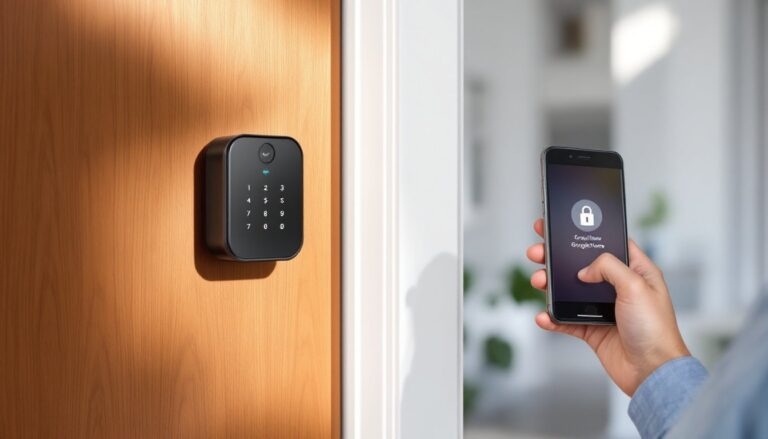
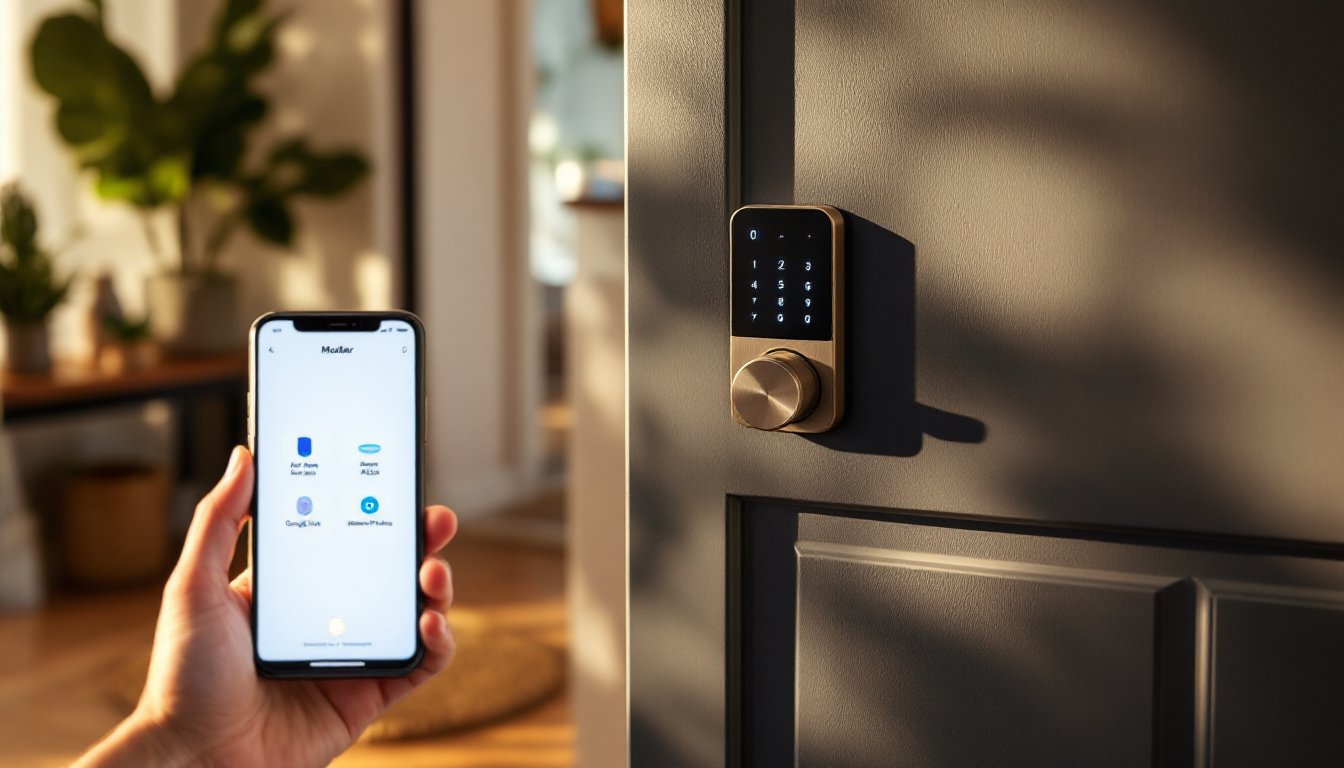
Smart locks have wrestled with a persistent problem since day one: compatibility. A homeowner buys a lock that works with Alexa but not Google Home, or vice versa. Enter Matter, the universal smart home standard that finally makes devices talk to each other regardless of ecosystem. Matter smart locks represent a genuine shift in home security technology, allowing users to control door hardware through Apple HomeKit, Google Home, Amazon Alexa, and Samsung SmartThings simultaneously. No more choosing sides. For DIYers looking to upgrade entry security without vendor lock-in, Matter-enabled locks offer future-proof flexibility that earlier generations couldn’t deliver.
Table of Contents
ToggleKey Takeaways
- Matter smart locks eliminate vendor lock-in by enabling control across Apple HomeKit, Google Home, Amazon Alexa, and Samsung SmartThings simultaneously without needing separate hubs or adapters.
- Matter smart locks emphasize local control and security, with mandatory encryption and secure commissioning that reduces vulnerability to attacks and maintains functionality during internet outages.
- Thread-enabled Matter locks create mesh networks that extend range and reliability, reducing dead zones common with Wi-Fi-only models while consuming batteries more efficiently—typically lasting 10-14 months.
- Top Matter smart lock options like Yale Assure Lock 2, Schlage Encode Plus, and Aqara U100 offer varying features (keypad, fingerprint, NFC) priced between $180–$350 to suit different door configurations and user needs.
- Installation requires standard tools and takes 20-40 minutes; pairing involves scanning a Matter QR code once, then adding the lock to multiple ecosystems through native apps without proprietary bridges.
- Verify door backset (2-3/8″ or 2-3/4″), thickness (1-3/8″–2″), and Thread router availability before purchasing a Matter smart lock to ensure compatibility and optimal performance.
What Is a Matter Smart Lock and Why Does It Matter?
A Matter smart lock is a connected door lock that uses the Matter protocol, an open-source connectivity standard developed by the Connectivity Standards Alliance. Unlike proprietary smart locks that only work within one ecosystem, Matter locks communicate over a unified language that Apple, Google, Amazon, and Samsung all support.
The protocol operates over Thread (a low-power mesh network) or Wi-Fi, with Bluetooth used during initial setup. Thread requires a border router (many smart speakers and hubs now include this), but once connected, the lock can be controlled through any Matter-compatible app or voice assistant.
Why does this matter for home security? Flexibility and longevity. Homeowners aren’t forced to replace hardware when switching from an iPhone to an Android device or upgrading their smart home hub. The lock remains functional across platforms. Matter also emphasizes local control, many commands process directly between devices without round-tripping to a cloud server, improving response time and maintaining functionality during internet outages.
From a DIY installation standpoint, Matter locks simplify setup. Instead of juggling multiple proprietary apps and bridge devices, users connect the lock once to their home network, then add it to whichever ecosystem they prefer. Updates and security patches come through the Matter standard, reducing the risk of abandoned products losing support when a manufacturer shifts focus.
Key Benefits of Choosing a Matter-Enabled Smart Lock
Universal Compatibility Across Ecosystems
The headline benefit: one lock, multiple ecosystems. A Matter smart lock pairs with Apple Home, Google Home, Alexa, and SmartThings without requiring separate hubs or adapters. Homeowners can unlock doors using Siri, Google Assistant, or Alexa interchangeably, and set up automations in any platform.
This matters practically when household members use different devices. One person uses an iPhone and Apple Watch for unlocking: another prefers Google voice commands. The lock accommodates both without conflict. It also future-proofs the investment, switching smart home platforms down the road doesn’t orphan the hardware.
Matter locks work with Thread networks, creating a mesh topology that extends range and reliability. Each Thread device acts as a repeater, so a lock installed on a front door 40 feet from the router can communicate through nearby smart bulbs or sensors. This reduces the dead zones common with Wi-Fi-only locks.
Enhanced Security and Future-Proof Technology
Matter includes mandatory security standards baked into certification. Every device must support secure commissioning, encrypted communication, and regular security updates. The protocol requires devices to authenticate before joining a network, reducing vulnerability to man-in-the-middle attacks.
Unlike proprietary locks that depend on a single manufacturer’s cloud security, Matter distributes control. Even if one ecosystem experiences a breach, the lock itself maintains secure local operation. The protocol’s local processing capability means sensitive operations (like verifying a PIN or checking access schedules) can happen on-device or within the home network, not on a remote server.
From a longevity perspective, Matter locks benefit from the standard’s broad industry backing. Over 280 companies support the protocol as of 2026. When a manufacturer releases a firmware update, it propagates across ecosystems rather than requiring separate patches for each platform. This coordinated approach reduces the likelihood of security vulnerabilities lingering unpatched on specific platforms.
Top Matter Smart Locks Available in 2026
As of early 2026, several manufacturers offer Matter-certified smart locks, each with different feature sets suited to various door configurations and user priorities.
Yale Assure Lock 2 with Matter fits standard residential deadbolt prep (2-1/8″ cross bore, 1″ edge bore) and supports both Thread and Wi-Fi connectivity. It includes a touchscreen keypad with up to 250 user codes, backlit keys for nighttime entry, and optional Apple Home Key support for unlocking via iPhone or Apple Watch. The lock runs on four AA batteries, typically lasting 8-12 months depending on usage. Installation requires only a screwdriver, no additional wiring.
Schlage Encode Plus combines Matter compatibility with built-in Wi-Fi, eliminating the need for a separate Thread border router. It features a fingerprint reader and touchscreen, allowing biometric entry alongside keypad codes. The lock’s ANSI/BHMA Grade 1 certification indicates commercial-grade durability, making it suitable for high-traffic entries. Battery life averages 6-9 months with four AA batteries.
Aqara U100 offers a more compact form factor for doors with limited interior clearance. It supports Matter over Thread, includes an NFC card reader for tap-to-unlock functionality, and integrates a gyroscope to detect forced entry or tampering. The unit includes a rechargeable battery lasting approximately 8 months per charge, with USB-C charging. Installation requires a Phillips screwdriver and fits standard backset measurements (either 2-3/8″ or 2-3/4″ adjustable).
Level Lock+ with Matter maintains the brand’s invisible-from-outside aesthetic, installing entirely within the deadbolt mechanism. From the exterior, it looks like a traditional keyed lock. The lock communicates via Thread and includes Apple Home Key support. Battery replacement involves removing the interior escutcheon to access a CR2 battery pack, typically lasting 12+ months.
All these locks maintain mechanical key backup, a critical failsafe if batteries die or electronics malfunction. When comparing options, verify the lock’s backset and door thickness compatibility before purchase. Most accommodate 1-3/4″ to 2″ thick doors, but thicker or thinner installations may require adapters or alternative models.
How to Install and Set Up Your Matter Smart Lock
Installing a Matter smart lock follows standard deadbolt replacement procedures with a few additional setup steps for network integration.
Tools needed:
- Phillips screwdriver (most locks)
- Measuring tape
- Pencil
- Optional: drill with 2-1/8″ hole saw and 1″ spade bit (only if installing fresh hardware on an unprepared door)
Installation steps:
-
Remove the existing deadbolt. Unscrew the interior and exterior mounting plates. Keep the existing strike plate and latch bolt if they’re in good condition, many Matter locks reuse standard components.
-
Check door prep dimensions. Measure the backset (distance from door edge to center of the bore hole). Standard residential locks use 2-3/8″ or 2-3/4″. Measure door thickness: most Matter locks fit 1-3/8″ to 2″ doors without adapters.
-
Install the latch mechanism. Insert the new latch bolt into the edge bore, ensuring the angled side of the latch faces the strike plate direction. Secure with the provided screws. The latch should sit flush with the door edge.
-
Mount the exterior assembly. Thread the tailpiece (the rotating square shaft) through the latch mechanism. Secure the exterior plate or keypad according to manufacturer instructions. Some models use through-bolts: others use mounting plates.
-
Attach the interior assembly. Connect battery cables if applicable, then align the interior mechanism with the tailpiece. Tighten mounting screws evenly, over-tightening can bind the mechanism. Test manual locking and unlocking before proceeding.
-
Pair with Matter network. Power on the lock and scan the Matter QR code (usually found in the installation manual or on the lock body). Use your phone’s native Matter setup flow (Apple Home, Google Home, or Alexa app). The lock will connect to your Thread border router or Wi-Fi network.
-
Add to additional ecosystems. Once paired with one Matter controller, add the lock to other platforms by selecting “Add Device” and scanning the same QR code or selecting the lock from the available Matter devices list.
-
Configure access codes and settings. Create user codes, set auto-lock timers, and configure notifications within your chosen app(s).
Safety note: Wear safety glasses if drilling into a door. Test the lock’s mechanical key before disposing of old hardware, confirm you have a working backup entry method.
Most installations take 20-40 minutes. If the door prep doesn’t match the lock’s specifications, or if dealing with an unusually thick/thin door, consult the manufacturer’s support documentation before forcing hardware to fit.
Choosing the Right Matter Smart Lock for Your Home
Selecting a Matter smart lock involves matching features to entry patterns, door configuration, and household needs.
Entry method priorities: Determine which unlock methods the household will actually use. Touchscreen keypads suit families with kids or frequent guests who need temporary codes. Fingerprint readers offer fast access without memorizing codes but require enrolling each user. NFC cards or tags work well for users who prefer tap-to-unlock without phone interaction. Apple Home Key support matters for iPhone users who want to unlock with Apple Watch or phone.
Connectivity requirements: Locks supporting Thread require a Thread border router (Apple HomePod mini, Google Nest Hub 2nd gen, or dedicated Thread routers qualify). Thread provides better range and lower power consumption than Bluetooth but adds an equipment dependency. Wi-Fi-enabled locks eliminate the border router requirement but consume batteries faster, expect 6-9 months versus 10-14 months for Thread-only models.
Door compatibility: Verify backset, bore size, and door thickness before purchasing. Most Matter locks accommodate standard residential prep, but older doors with non-standard measurements may require adapters or drilling. Measure existing hardware rather than assuming standard dimensions.
Security ratings: Look for ANSI/BHMA grading, Grade 1 offers the highest residential security (commercial-grade), while Grade 2 suits standard residential use. Grade 3 meets minimum standards but may not withstand forced entry attempts as effectively.
Backup power and keys: Confirm the lock includes a mechanical key override. Some models also offer external battery terminals for emergency power via 9V battery if the internal batteries die while away from home.
Budget considerations: Matter smart locks range from $180 to $350 as of 2026. Higher prices typically reflect additional features (fingerprint readers, built-in Wi-Fi) rather than better Matter performance. A basic keypad model with Thread connectivity provides the same ecosystem flexibility as premium options.
For most DIY installations on standard residential doors, a Thread-enabled lock with touchscreen keypad and mechanical key backup delivers reliable performance without unnecessary complexity. Users already invested in a particular ecosystem (heavy Apple users, for example) may prioritize locks with native integrations like Home Key, while those using multiple platforms benefit most from Matter’s universal compatibility.