Renters face a unique challenge when upgrading home security: most landlords don’t appreciate permanent modifications, and lease agreements often restrict hardware changes. Yet fumbling for keys in a dark hallway or worrying about who has copies from previous tenants remains a daily frustration. Smart locks offer a practical solution, delivering keyless convenience and enhanced security without the commitment of drilling into door frames or replacing entire locking mechanisms. Unlike traditional deadbolts, these devices can be installed and removed without leaving a trace, perfect for lease-conscious renters who want modern security on their terms.
Table of Contents
ToggleKey Takeaways
- An apartment smart lock offers keyless convenience and enhanced security through reversible installation that doesn’t damage your door or violate lease agreements.
- Retrofit smart locks mount over existing deadbolts in minutes with just a screwdriver, while complete replacement models use existing bore holes, both leaving zero permanent trace at move-out.
- Smart locks with activity logging and temporary access codes let renters track every unlock event and grant time-limited access to guests, roommates, and service providers automatically.
- Battery-powered smart locks typically last 6–12 months per charge and include backup options like 9V jump terminals or physical key overrides, preventing lockouts during emergencies.
- Choose Bluetooth-only models for budget-conscious renters without remote access needs, or Wi-Fi-enabled locks for remote control and smart home integration with Alexa, Google Assistant, or Apple HomeKit.
- Verify your door’s backset (2-3/8 or 2-3/4 inches), thickness (1-3/8 to 1-3/4 inches), and ANSI Grade 2 compatibility before purchasing to ensure a smooth, renter-friendly installation.
What Is an Apartment Smart Lock and How Does It Work?
An apartment smart lock is a battery-powered electronic deadbolt or lock mechanism that replaces or overlays a standard door lock, enabling keyless entry through smartphones, keypads, fingerprint readers, or voice commands. Unlike commercial-grade smart locks that often require hardwiring or major door modifications, apartment models prioritize reversible installation, they attach to existing deadbolts or swap in without altering the door or frame.
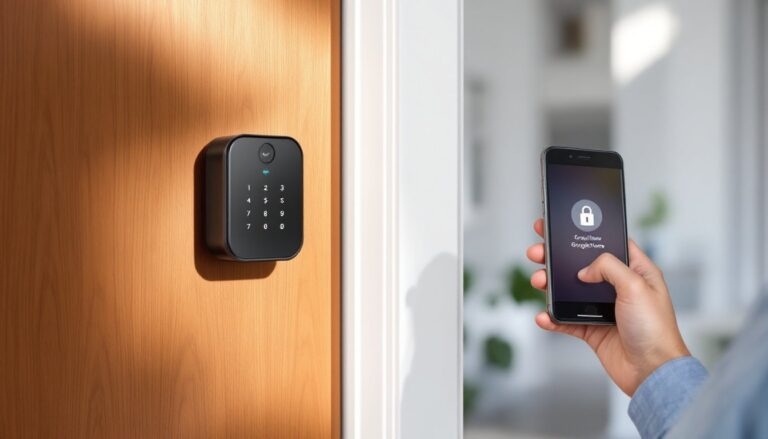
Most apartment smart locks connect via Bluetooth, Wi-Fi, or Z-Wave protocols. Bluetooth models pair directly with a smartphone within 30-40 feet, ideal for users who don’t need remote access. Wi-Fi-enabled locks allow remote locking/unlocking from anywhere and integrate with platforms like Amazon Alexa, Google Assistant, or Apple HomeKit. Z-Wave models require a compatible hub but offer excellent range and lower power consumption.
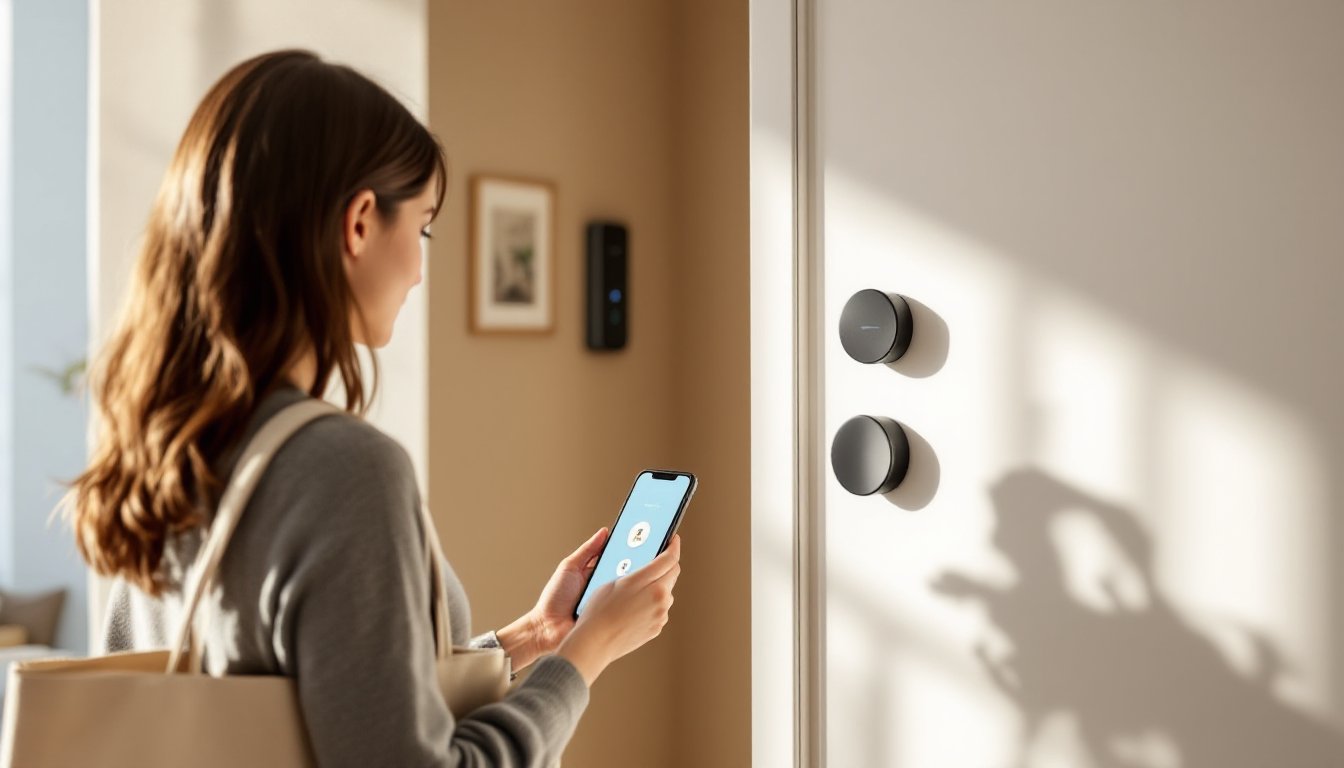
The mechanics vary by design. Retrofit smart locks (like the August Wi-Fi Smart Lock) mount over the interior thumb turn of an existing deadbolt, preserving the exterior keyhole and hardware, critical when lease terms prohibit visible changes. Complete replacement locks swap out the entire deadbolt assembly but install using the same bore holes as a standard deadbolt (typically a 2-1/8-inch cross bore and 1-inch edge bore per ANSI/BHMA standards), leaving no permanent damage when removed.
Power comes from AA or CR123A batteries, usually lasting 6-12 months depending on usage and connectivity type. Most units alert users via app when battery levels drop below 20%, and many include a physical key override or external jump-start terminal for lockouts.
Top Benefits of Installing a Smart Lock in Your Apartment
Keyless convenience tops the list. No more fishing for keys while carrying groceries, and no need to hide a spare under the doormat. Users unlock with a phone tap, numeric code, or biometric scan, especially useful when hands are full or when coordinating access for roommates, guests, or pet sitters.
Enhanced security control gives renters visibility previous generations lacked. Activity logs track every lock/unlock event with timestamps, so users know exactly when someone entered. Temporary access codes can be issued for specific time windows, a cleaner’s four-hour window on Tuesday, for example, then automatically expire. This eliminates the risk of unreturned physical keys floating around indefinitely.
Renter-friendly reversibility protects security deposits. Quality retrofit models install in 10-15 minutes using a screwdriver and require zero modifications to the door, frame, or strike plate. At move-out, the original hardware goes back on, and the smart lock transfers to the next apartment.
Integration with smart home ecosystems allows lock status to trigger other devices. A user can program the lock to turn on entryway lights when unlocked after sunset, adjust the thermostat when arriving home, or disarm a compatible security system, all through platforms like SmartThings, IFTTT, or Home Assistant.
Auto-lock features prevent the classic “Did I lock the door?” anxiety. Users set the lock to engage automatically after 30 seconds, or check and control status remotely if Wi-Fi-enabled. This adds a layer of security for those prone to distraction or rushing out the door.
Key Features to Look for When Choosing an Apartment Smart Lock
Compatibility with existing hardware matters first. Measure the door’s backset (distance from door edge to center of the bore hole), most residential doors use either 2-3/8 inches or 2-3/4 inches. Check the door thickness: most smart locks fit doors 1-3/8 to 1-3/4 inches thick, but older or reinforced doors may fall outside this range. Confirm the lock fits standard ANSI Grade 2 or Grade 1 bore holes to avoid surprises mid-installation.
Power and connectivity options determine functionality. Bluetooth-only models cost less and conserve battery but require proximity to unlock. Wi-Fi locks enable remote access and real-time notifications but drain batteries faster, expect 4-6 months per charge versus 8-12 for Bluetooth. Hybrid models offer both, letting users toggle Wi-Fi off when not needed.
Access methods vary by model. Keypad entry works well for users who prefer memorized codes over phone dependency. Biometric (fingerprint) readers add speed but cost more and may struggle with wet or worn fingers. Auto-unlock via geofencing uses phone location to unlock as the user approaches, though this feature can drain phone batteries and occasionally triggers false unlocks.
Battery backup and failsafe access prevent lockouts. Look for low-battery warnings sent at least two weeks before depletion. Physical key overrides provide peace of mind, though retrofit models that preserve the exterior keyhole inherently offer this. Some locks include a 9V battery terminal on the exterior for emergency jump-starts if batteries die completely.
Security certifications and encryption shouldn’t be overlooked. Locks meeting ANSI/BHMA Grade 2 standards resist picking, drilling, and forced entry. AES 128-bit or 256-bit encryption protects wireless signals from hacking. Two-factor authentication for app access adds another barrier against unauthorized control.
Renter-Friendly Installation Options
Retrofit smart locks lead the category for renters. These devices mount directly over the interior thumb turn of an existing deadbolt using an adhesive plate or mounting bracket, leaving the exterior completely unchanged. Installation typically requires:
- Phillips-head screwdriver
- Measuring tape (to confirm alignment)
- Smartphone (for app setup and calibration)
No drilling, no new holes, no violation of lease terms. The original deadbolt remains functional with its physical key from the outside, while the smart lock controls it from inside. Removal takes five minutes and leaves zero trace.
Complete replacement locks require slightly more work but still qualify as non-permanent. The process involves:
- Removing the existing interior and exterior deadbolt hardware (usually two screws)
- Inserting the new smart deadbolt through the same bore holes
- Securing with provided screws into existing screw holes
- Calibrating via the app
The door and frame remain untouched. At move-out, reinstalling the landlord’s original deadbolt restores everything to baseline. Just keep the original hardware in a safe place.
Best Smart Locks for Apartments: What Renters Need to Know
When evaluating models, renters should prioritize installation reversibility, reliable connectivity, and battery life over features like touchscreen displays or premium finishes that add cost without practical benefit in a rental.
Retrofit models suit renters with strict lease agreements or those planning to move within a year or two. The August Wi-Fi Smart Lock (4th generation) installs in minutes over most single-cylinder deadbolts, supports voice assistants, and offers solid app performance. The Wyze Lock delivers similar retrofit functionality at a lower price point, though it requires the separate Wyze Gateway for remote access.
Complete replacement locks work well for renters with flexible landlords or those staying long-term. The Schlage Encode Plus combines a keypad with built-in Wi-Fi (no bridge required), meeting ANSI Grade 1 security standards, the highest residential rating. Its 6-month battery life on four AA batteries and compatibility with Apple Home Key (unlock via iPhone or Apple Watch) make it a strong choice. The Yale Assure Lock 2 offers similar features with a slimmer profile and modular connectivity, users can add Wi-Fi, Z-Wave, or Matter modules as needs change.
Renters in multifamily buildings should verify that thick metal fire doors or concrete walls won’t interfere with Bluetooth or Wi-Fi signals. In these cases, a Z-Wave lock paired with a hub placed closer to the router often performs better than standalone Wi-Fi models.
Avoid locks requiring permanent wiring, proprietary hubs that lack backward compatibility, or those discontinued within 18 months of release, software support and replacement parts become scarce quickly. Stick with established brands that commit to multi-year firmware updates.
Common Concerns and How to Address Them
“Will my landlord allow this?” Most lease agreements prohibit alterations but don’t explicitly address removable electronic devices. Retrofit locks that don’t change the exterior or bore new holes typically pass muster, but always disclose the installation to the landlord in writing. Providing photos of the unchanged exterior and a copy of the product specs demonstrating reversibility often resolves concerns. Some landlords appreciate the added security and activity logging.
“What if the battery dies and I’m locked out?” Quality smart locks provide multi-stage warnings, push notifications when batteries hit 20%, then 10%, then daily reminders. If the worst happens, most models include either a physical key override (on replacement locks) or a 9V battery jump port on the exterior. Touching a standard 9V battery to the terminals provides enough power for one unlock cycle.
“Can smart locks be hacked?” Any connected device carries some risk, but modern smart locks using AES encryption and two-factor authentication present a harder target than traditional locks vulnerable to bump keys and picking. The bigger threat is phishing attacks on user accounts, use strong, unique passwords and enable all available security features. Avoid locks with known vulnerabilities or brands that skip security patches.
“Will it work with my older smartphone?” Most smart locks require iOS 14+ or Android 8.0+. Older devices may lack Bluetooth Low Energy (BLE) support or necessary security protocols. Check manufacturer specs before purchase.
“What about Wi-Fi outages?” Bluetooth functionality continues during internet outages, allowing local unlocking via smartphone. Keypad codes and biometric access also work offline. Only remote access and cloud-based activity logging go dark until connectivity restores.
Conclusion
Smart locks transform apartment security from a landlord-controlled limitation into a customizable, reversible upgrade. Renters gain keyless convenience, activity monitoring, and guest access management without jeopardizing security deposits or violating lease terms. Prioritize retrofit models for maximum flexibility, verify door measurements before purchasing, and choose locks from manufacturers committed to long-term software support. With proper selection and installation, a smart lock delivers reliable performance through multiple leases, and moves with the renter when the next opportunity comes along.