American Standard has been a trusted name in HVAC for decades, and their smart thermostat lineup brings that reliability into the Wi-Fi age. For homeowners looking to upgrade from a manual or basic programmable thermostat, American Standard offers models that balance intuitive controls with serious energy-saving features. This guide walks through what sets these thermostats apart, how they install, and whether they’re the right fit for a specific HVAC setup. No fluff, just the specs, compatibility details, and real-world performance data homeowners need before making the investment.
Table of Contents
ToggleKey Takeaways
- American Standard smart thermostats offer native integration with American Standard HVAC systems, enabling advanced diagnostics and system-specific efficiency modes that generic competitors cannot match.
- Core features like 7-day scheduling, remote app access, smart recovery, geofencing, and maintenance reminders come without monthly subscription fees, unlike many competing brands.
- Installation is DIY-friendly for straightforward single-stage systems and typically takes under an hour, though multi-stage heat pumps or systems lacking a C-wire may require professional help ($150–$300).
- Energy savings from American Standard smart thermostat use typically range from 5–15% depending on home insulation and climate, potentially paying back the investment in under two years when combined with utility rebates.
- Compatibility varies by system type; the thermostat supports gas furnaces, heat pumps, multi-stage heating, and dual-fuel setups, but not proprietary communicating systems or line-voltage heating systems.
- Pricing ranges from $200–$350 depending on features, and homeowners should check local utility websites for rebates that can reduce costs by $50–$100.
What Makes the American Standard Smart Thermostat Stand Out?
American Standard’s smart thermostats are designed specifically to work seamlessly with their own HVAC systems, though many models support other brands as well. The key differentiator is native integration, when paired with an American Standard heat pump or furnace, the thermostat can access advanced diagnostics and system-specific efficiency modes that generic smart thermostats can’t tap into.
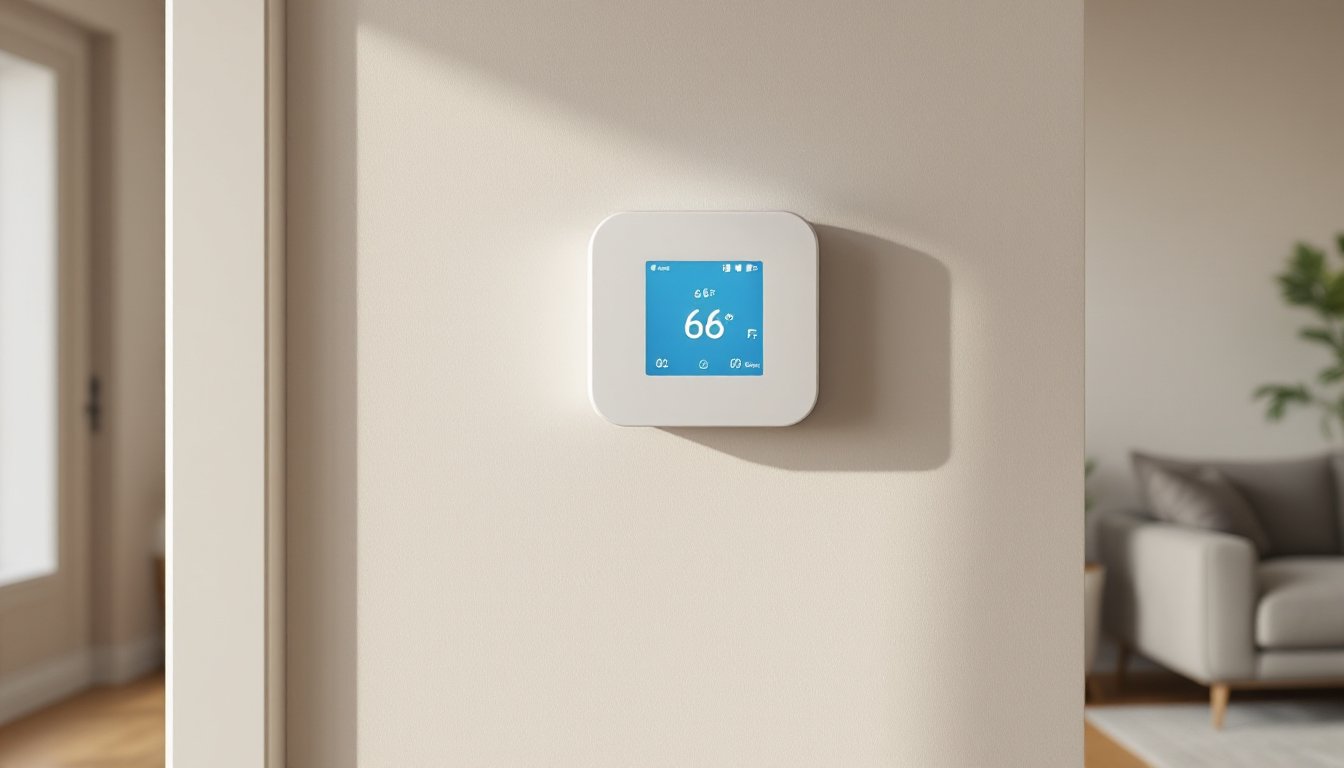
Build quality is another factor. The units feature a backlit touchscreen with a simple interface that doesn’t require a smartphone to operate daily. That matters when a guest needs to adjust the temperature or when Wi-Fi drops during a storm.
Unlike some competitors that push subscription services for basic features, American Standard includes core functionality, scheduling, remote access, and energy reports, without monthly fees. The Nexia Home Intelligence platform (used by some models) does offer optional premium services, but they’re not required for standard operation.
The thermostat also supports multi-stage heating and cooling, making it suitable for complex systems with variable-speed components or dual-fuel setups. Homeowners with a two-stage furnace or a heat pump with auxiliary heat will find the wiring terminals and software logic already in place.
Key Features and Smart Technology
American Standard smart thermostats pack several features that translate to real comfort and savings:
7-Day Scheduling: Users can program different temperatures for each day of the week, with up to four periods per day. That’s useful for households with irregular work schedules or weekend routines that differ from weekdays.
Remote Access via App: The companion app (iOS and Android) allows temperature adjustments from anywhere with cell service. It also sends alerts if the system detects a problem or if indoor temps fall outside a set range, helpful for preventing frozen pipes during winter trips.
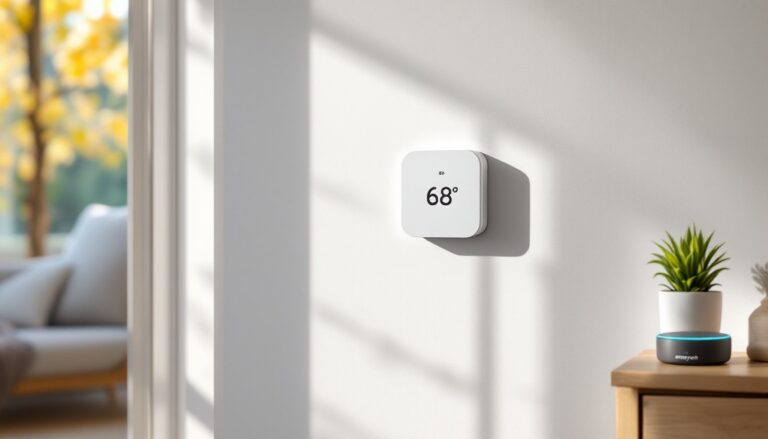
Smart Recovery: The thermostat learns how long the HVAC system takes to reach the target temperature and starts heating or cooling early. Instead of the house hitting 68°F at 6 a.m., it’s already there when the alarm goes off.
Geofencing: Some models use smartphone location to switch between home and away modes automatically. The system drops into an energy-saving setback when everyone leaves and ramps back up before anyone returns.
Filter and Maintenance Reminders: The thermostat tracks runtime hours and prompts filter changes based on actual use, not arbitrary calendar dates. It can also remind users to schedule professional maintenance.
Humidity Control: Models with dehumidification support can control a whole-home dehumidifier or trigger the AC to run in a moisture-removal mode, which is critical in humid climates where mold and comfort are ongoing concerns.
Voice Control: Integration with Amazon Alexa and Google Assistant allows hands-free temperature changes, though this requires the thermostat to be connected to the same network as the smart speaker.
Installation and Setup: What to Expect
Installation difficulty depends on the existing thermostat and system complexity. For a straightforward single-stage gas furnace with AC, a confident DIYer can handle the swap in under an hour. Multi-stage systems, heat pumps, or anything with a C-wire (common wire) issue will take longer.
What’s Needed:
- Phillips screwdriver (sometimes a small flathead for wire terminals)
- Drill and level (if mounting holes don’t line up with the old thermostat)
- Wire labels (often included in the thermostat box)
- Voltage tester (to confirm power is off, HVAC systems typically run on 24V AC, but it’s still a shock hazard)
Step-by-Step Process:
- Turn off power at the breaker or furnace switch. Don’t skip this. Even low-voltage wiring can damage the new thermostat if a short occurs during installation.
- Remove the old thermostat and photograph the wiring before disconnecting anything. Label each wire with the terminal letter (R, C, Y, G, W, etc.).
- Check for a C-wire. Most smart thermostats need continuous power, supplied by a common wire. If there’s no C-wire at the wall, options include running a new wire from the furnace, using an add-a-wire adapter, or installing a plug-in transformer (some American Standard models include a power adapter kit).
- Mount the new backplate using the included anchors if not hitting a stud. Level it, crooked thermostats are a dead giveaway of rushed work.
- Connect wires to the corresponding terminals. Refer to the thermostat’s wiring diagram and the system’s manual. Multi-stage heat pumps may use O/B for reversing valves and W2/E for auxiliary heat.
- Snap on the faceplate and restore power. The thermostat should boot up within a few seconds.
- Run the setup wizard to configure system type, Wi-Fi credentials, and initial schedule.
When to Call a Pro: If the existing system lacks a C-wire and the homeowner isn’t comfortable working inside the furnace cabinet, hire an HVAC tech. Also, if the system uses proprietary controls (some high-efficiency communicating systems), a professional install ensures warranty compliance. Budget $150–$300 for professional installation, depending on region and wiring complexity.
Energy Savings and Performance Benefits
The EPA estimates that a programmable thermostat can save up to 8% on heating and cooling bills when used correctly, that’s roughly $180 per year for an average U.S. household. Smart thermostats push that higher by reducing human error (forgetting to adjust before leaving) and optimizing runtime.
American Standard’s models contribute to savings in several ways:
Precision Temperature Control: The thermostat maintains setpoints within ±1°F, reducing the temperature swings that trigger unnecessary heating or cooling cycles.
Adaptive Scheduling: Instead of fixed on/off times, smart recovery and geofencing mean the system runs only as much as needed. A house that used to heat for eight hours overnight might only need six with smarter start times.
System Diagnostics: When paired with compatible American Standard equipment, the thermostat monitors system performance and can alert homeowners to efficiency drops, like a dirty coil or refrigerant issue, before they cause a 20% spike in energy use.
Usage Reports: Monthly energy summaries show exactly when and how the system ran, making it easier to spot wasteful patterns (like cooling an empty house all afternoon).
Real-world savings vary. A well-insulated home in a moderate climate might see 5–7% reductions, while a leaky house in Texas could hit 12–15% with aggressive setback schedules. The thermostat is only part of the equation, air sealing, insulation, and regular HVAC maintenance matter just as much.
Compatibility with Your HVAC System
American Standard smart thermostats support a wide range of HVAC configurations, but not every model works with every system. Here’s the breakdown:
Heating Systems:
- Gas, oil, or electric furnaces (single- or multi-stage)
- Heat pumps (air-source and geothermal, with or without auxiliary heat)
- Boilers (when controlled via a relay or zone valve)
Cooling Systems:
- Central air conditioning (single- or multi-stage)
- Heat pumps in cooling mode
Advanced Configurations:
- Dual-fuel systems (heat pump with gas furnace backup)
- Zoned systems (requires zone panel compatibility, check specs)
- Dehumidifiers and humidifiers (when wired to the HVAC system)
- Ventilators and ERVs/HRVs (some models support accessory control)
What’s NOT Compatible:
- Proprietary communicating systems: If an American Standard system uses AccuLink™ communicating technology, it requires a specific thermostat model designed for that protocol. Standard 24V thermostats won’t work.
- Line-voltage systems: Baseboard heaters and some wall units run on 120V or 240V and need a different thermostat altogether.
- Millivolt systems: Older gas fireplaces and some furnaces without a C-wire or 24V transformer.
Before purchasing, homeowners should verify their system’s voltage and wiring configuration. The product manual or American Standard’s online compatibility tool can confirm whether a specific thermostat model will work. When in doubt, an HVAC contractor can assess compatibility during a service call.
Pricing and Where to Buy
American Standard smart thermostats typically range from $200 to $350 depending on the model and feature set. Entry-level models with basic Wi-Fi and scheduling start around $200–$250, while units with advanced diagnostics, humidity control, and touchscreen color displays run $300–$350.
Prices fluctuate with seasonal promotions and HVAC contractor incentives. Some local utilities offer rebates for installing qualifying smart thermostats, homeowners should check their utility’s website or call to ask about current programs. Rebates can knock $50–$100 off the final cost.
Where to Buy:
- HVAC Contractors: Purchasing through a licensed contractor often includes installation and a warranty service agreement. Expect to pay retail or slightly above, but installation and setup are handled.
- Online Retailers: Amazon, SupplyHouse, and other e-commerce sites offer competitive pricing, sometimes 10–15% below retail. DIYers comfortable with installation can save money here.
- Big-Box Stores: Home Depot and Lowe’s carry select models. Availability varies by location, and in-store pickup can save on shipping.
- Direct from Manufacturer: American Standard’s website lists authorized dealers and occasionally runs direct promotions.
Warranty: Most models include a 5-year limited warranty covering defects in materials and workmanship. Registration (usually via the app or website) is required within 60 days of installation. Professional installation may extend warranty coverage or add service perks, depending on the contractor’s agreement with American Standard.
Conclusion
American Standard smart thermostats deliver solid performance for homeowners who want reliability, energy savings, and straightforward controls without a steep learning curve. They shine brightest when paired with American Standard HVAC equipment, unlocking diagnostics and efficiency features that third-party thermostats can’t access. Installation is manageable for DIYers with basic electrical knowledge, though complex systems or missing C-wires may warrant a professional call. With rebates and energy savings factored in, the payback period often lands under two years, making it a practical upgrade for anyone serious about home comfort and lower utility bills.